
Eucalyptus denticulata
Eucalyptus denticulata
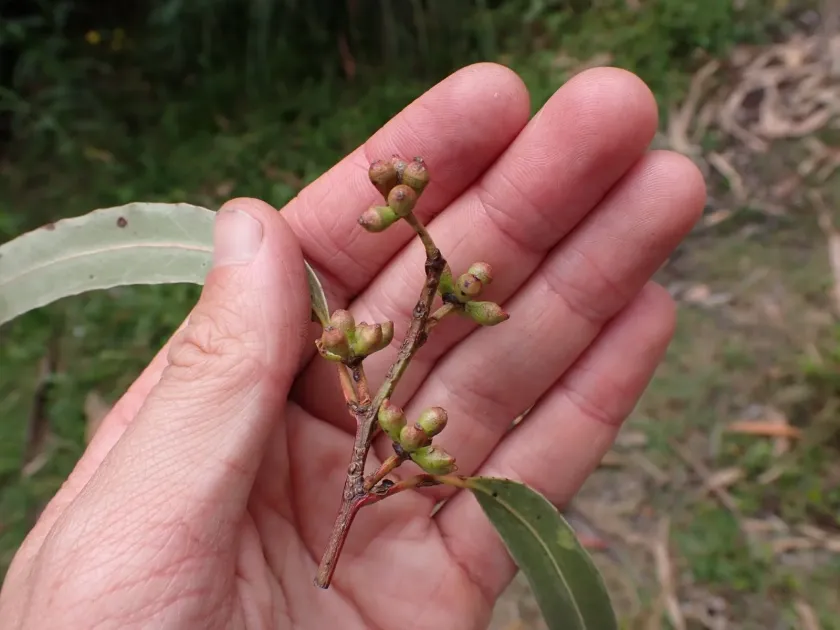
Description
Sowing dates
Eucalyptus denticulata is a fast-growing woody species belonging to the Myrtaceae family. In plantation settings, propagation typically begins in nurseries during the late winter or early spring to ensure robust seedlings for the upcoming growing season.
The sowing process requires well-drained, sterile substrate to prevent fungal infections during the sensitive germination phase. Optimal temperatures must be maintained to promote uniform growth and ensure the development of strong, fibrous root systems.
Once seedlings reach a height of 20–30 cm, they are ready for transplanting into permanent plantation sites. The spacing is determined by the intended final product, whether it be pulpwood, structural timber, or biomass energy.
Careful hardening of the seedlings before field planting is essential to increase their survival rates in harsher outdoor environments. This preparation helps the plants withstand initial post-planting stress.
Direct seeding in the field is rarely practiced for this species due to the need for high-quality tree uniformity; therefore, nursery-grown transplants remain the standard in commercial forestry.
Growing requirements
Eucalyptus denticulata thrives in moderate climates, requiring regions that are free from severe, prolonged frosts. It prefers deep, nutrient-rich soils with good drainage and a slightly acidic to neutral pH balance.
The species exhibits a strong demand for sunlight, which is vital for the development of straight, high-quality boles. Shading from competing vegetation should be managed strictly during the early growth years.
While the tree shows some tolerance to temporary moisture deficits once established, consistent water supply is critical in the first two years of development to ensure vigorous growth.
It is sensitive to saline conditions; consequently, land suitability assessments should be conducted prior to large-scale plantation development to avoid poor performance and nutrient lockout.
The tree's natural ecological profile suggests a preference for regions with balanced rainfall patterns, ensuring both adequate humidity and soil moisture availability.
Yield
Known for its rapid biomass accumulation, Eucalyptus denticulata is a primary choice for pulpwood and paper production. Its high wood density and fiber quality make it economically advantageous for the timber industry.
The species also contributes significantly to the secondary market through the production of essential oils extracted from its leaves, which are used in pharmaceutical and therapeutic applications.
As a notable honey-producing tree, it provides an excellent resource for apiculture, offering high-quality nectar during its extended flowering periods.
With proper forest management, including selective thinning and site maintenance, the total yield of high-quality wood per hectare remains competitive compared to other fast-growing forest species.
Systematic harvesting cycles allow for sustainable production, ensuring that forest stands continue to provide economic value over multiple decades.
Main diseases and pests
The main threats to plantations include various leaf-eating insects that can significantly reduce photosynthetic capacity by defoliating the tree canopy during outbreak periods.
Root rot pathogens are a persistent concern, particularly in areas with poor soil drainage, necessitating careful site selection and the avoidance of waterlogging at all costs.
Young stands may be susceptible to sucking pests that act as vectors for various plant viruses, which can compromise the overall health and growth uniformity of the plantation.
Integrated pest management strategies, combining biological controls and responsible use of insecticides, are employed to minimize damage while protecting local environmental health.
Good silvicultural practices, such as removing dead or dying branches and maintaining proper spacing, serve as primary defenses against the spread of pests and diseases.
Harvesting
Technical maturity of the timber is typically reached within 10 to 15 years, depending on site quality and intended industrial application, allowing for productive harvest rotations.
Mechanized harvesting equipment is commonly used for efficient felling and log processing, maximizing the yield of usable wood products and reducing labor requirements.
In addition to timber, leaves may be harvested mechanically at specific intervals to maximize the extraction yield of essential oils, aligning with the plant’s peak biological cycles.
Post-harvest management often involves assessing the site for regrowth, as some Eucalyptus species can regenerate successfully from established root stocks, reducing replanting costs.
Sustainable waste management is implemented by ensuring that logging residues are utilized for soil enhancement or as secondary biomass fuel rather than left to create fire hazards.