
Eucalyptus dendromorpha
Eucalyptus dendromorpha
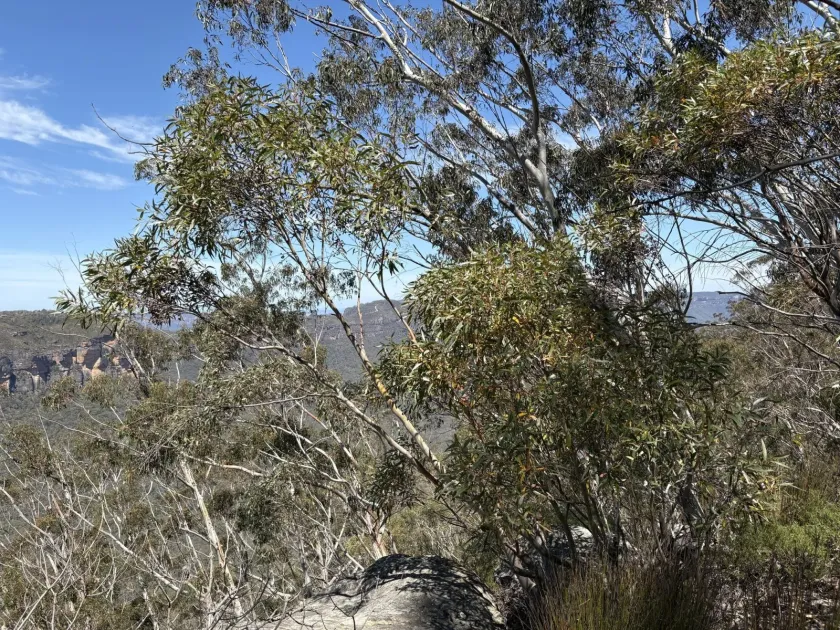
Description
Growing requirements
Eucalyptus dendromorpha is a prominent member of the Myrtaceae family, native to the rugged coastal regions of New South Wales, Australia. This evergreen species is characterized by its robust growth habit and significant biomass production potential.
The tree thrives in temperate to subtropical climates, requiring consistent moisture and protection from severe frosts. Optimal growth is achieved in environments with high annual precipitation and mild temperature fluctuations.
Regarding soil requirements, this species favors well-drained, acidic to neutral sandy loam soils. Proper aeration of the root system is essential to prevent oxygen starvation and promote deep root penetration.
Agricultural management involves regular site monitoring, especially during the establishment phase. Pruning and selective thinning are often performed in plantations to encourage straight trunk development and improve overall wood quality.
The economic utility of Eucalyptus dendromorpha is multifaceted, spanning from timber production for pulp and paper to the extraction of essential oils. Its unique chemical profile makes it a subject of interest in pharmaceutical research.
Main diseases and pests
Leaf-feeding insects, such as chrysomelid beetles and weevils, represent the primary biological threat to Eucalyptus dendromorpha. Severe defoliation events can significantly weaken the trees and reduce their growth rates.
Fungal pathogens, particularly those causing leaf spot and stem cankers, thrive in humid conditions with poor air circulation. Effective management requires adequate spacing between individuals in the field.
Root rot, often triggered by excessive soil moisture and poor drainage, is a critical issue that can lead to rapid decline in plantation health. Improving soil structure and drainage is the primary defense strategy.
Aphid infestations may occur on new growth during the spring season, causing foliage distortion. Integrated pest management, including the use of targeted biological controls, is standard practice.
Competing weeds pose a significant risk to juvenile plants by depriving them of water and essential minerals. Regular cultivation and mulching are recommended to ensure the successful establishment of young trees.