
Eucalyptus deflexa
Eucalyptus deflexa
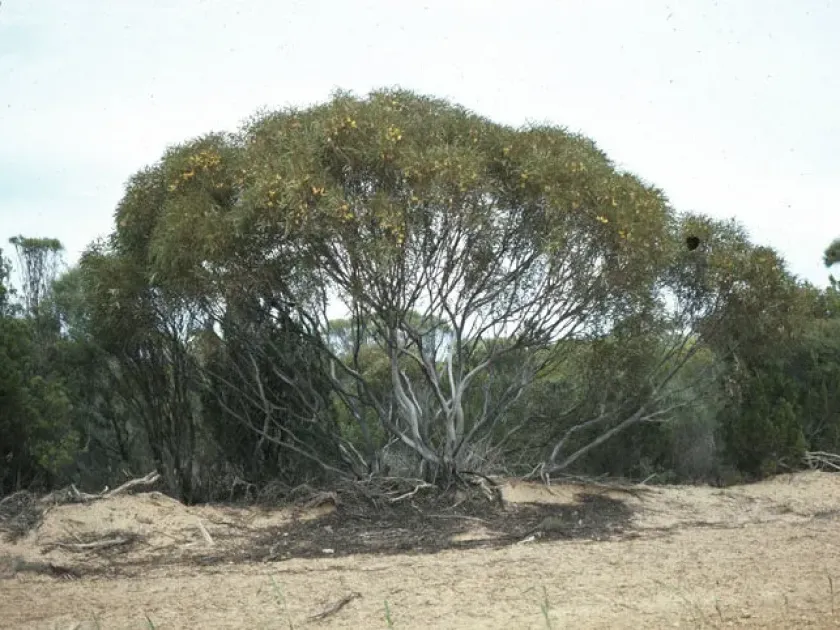
Description
Sowing dates
Seeds of Eucalyptus deflexa are typically sown in early spring or late winter inside a controlled greenhouse environment. Maintaining a constant temperature range between 20°C and 22°C is essential for achieving high germination rates.
A high-quality, well-draining peat-based substrate mixed with perlite provides the ideal environment for seed development. The seeds should be lightly covered with a fine layer of coarse sand or vermiculite to ensure sufficient moisture contact.
Proper aeration is vital during the germination phase to prevent damping-off diseases. Providing adequate spacing between seedlings helps in maintaining airflow and ensures each plant receives enough light during its development.
Pricking out the young seedlings into individual biodegradable or plastic pots should be done with extreme care to avoid damaging the taproot. Eucalyptus species generally do not tolerate root disturbance well at the early seedling stage.
Acclimatization of the seedlings to outdoor conditions should be carried out gradually over 10–14 days. This hardening-off process prepares the plants for field conditions and reduces transplant shock significantly.
Growing requirements
Eucalyptus deflexa, belonging to the Myrtaceae family, is native to the southwest of Western Australia. It is a hardy, drought-tolerant species that thrives in regions with Mediterranean-like climate patterns.
The plant demands full solar exposure and performs best in open, well-ventilated locations. Insufficient light results in elongated, spindly growth, which diminishes the tree's structural integrity and aesthetic value.
Deep, sandy loams or gravelly soils with excellent internal drainage are ideal for this species. It is highly intolerant of waterlogging, which often leads to rapid deterioration of the root system and plant death.
While mature trees can survive long dry spells, commercial plantations benefit from supplemental irrigation during peak growth periods. The water quality should be monitored to prevent the accumulation of salts in the root zone.
Regarding soil fertility, the plant is adapted to nutrient-poor soils. Excessive nitrogen fertilization should be avoided as it promotes succulent growth that is more susceptible to frost and various pest infestations.
Main diseases and pests
Fungal pathogens such as Phytophthora and Pythium pose the most significant threat to Eucalyptus deflexa in nurseries and wet soil conditions. Strict sanitation practices and the use of sterile growing media are critical for disease prevention.
Pests including scale insects, aphids, and various defoliating beetles can cause extensive damage to foliage. Early detection through regular crop scouting is essential for effective integrated pest management (IPM).
In high humidity environments, leaf spot diseases can develop rapidly if air circulation is compromised. Pruning lower branches can help improve airflow within the canopy, thus reducing the microclimate humidity favorable for fungi.
Larval stages of specific borers can damage the vascular tissues of the trunk. Keeping the trees healthy through proper watering and avoiding mechanical injuries helps the tree develop its own natural resistance.
Frost damage represents a severe threat in temperate regions. Protecting young plants during the first few years of growth with frost cloths or moving containers to sheltered areas is mandatory to ensure survival.