
Eucalyptus curtisii
Eucalyptus curtisii
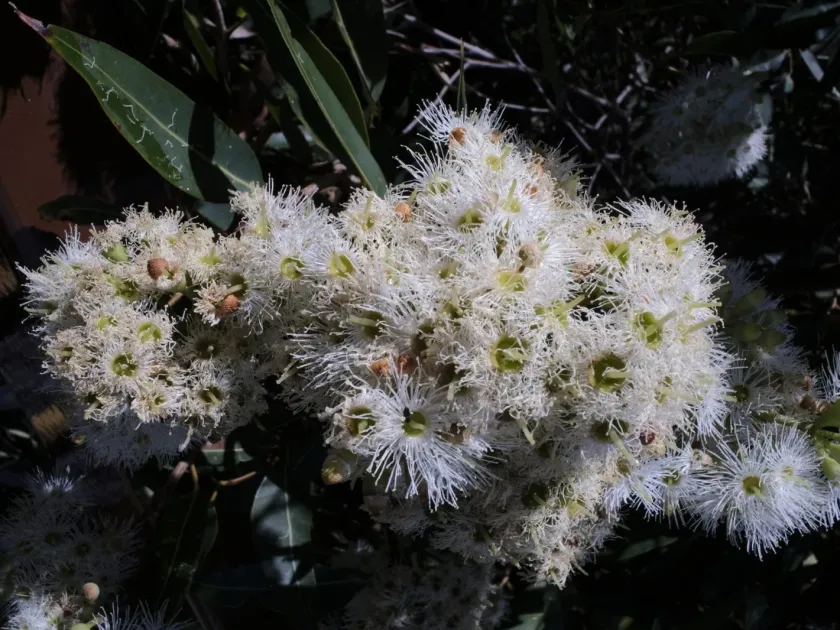
Description
Sowing dates
Eucalyptus curtisii belongs to the Myrtaceae family and is recognized for its unique narrow leaves and bushy habit compared to other eucalyptus species.
Propagation is typically carried out via seeds, which should be sown in a sterile, well-draining seed-starting mix during early spring to ensure robust germination.
The seeds require surface sowing followed by a light covering of fine grit or vermiculite, maintaining a moist environment at temperatures between 20°C and 25°C.
Once the seedlings develop their first true leaves, they should be carefully pricked out into individual deep pots to accommodate their rapid root system growth.
Consistent light exposure is paramount during the early stages of development to prevent etiolation and ensure the formation of a strong, healthy stem.
Growing requirements
Native to southeastern Queensland, this species thrives in warm, temperate climates and requires a site with full sun exposure for optimal foliage color and density.
The plant prefers sandy or loamy soils that provide excellent drainage, as it is highly sensitive to waterlogged conditions which inhibit root respiration.
Irrigation should be managed to mimic the natural wetting and drying cycles; while young plants need consistent moisture, mature specimens exhibit moderate drought tolerance.
Soil pH should ideally be acidic to neutral; alkaline soils may lead to nutrient deficiencies, manifesting as chlorosis in the vibrant green leaves of the plant.
As a frost-tender species, it is essential to cultivate it in protected environments or pots in cooler regions to prevent damage from freezing temperatures below 0°C.
Main diseases and pests
Root rot caused by Phytophthora species is a significant threat, often resulting from poorly drained soil or excessive moisture accumulation around the collar.
Foliage pests such as scale insects and aphids may infest young growth, sucking nutrients and creating honeydew, which leads to the development of sooty mold.
Spider mites are a common issue in dry, indoor environments, causing fine webbing and stippling on the leaves that significantly reduces the plant's aesthetic value.
Leaf spot pathogens can occur during humid periods, appearing as dark patches on the foliage, which necessitates better air circulation and leaf sanitation.
Integrated pest management, including regular inspection and the use of horticultural oils, is highly recommended to maintain the plant's health and vigor.