
Cunningham's eucalyptus
Eucalyptus cunninghamii
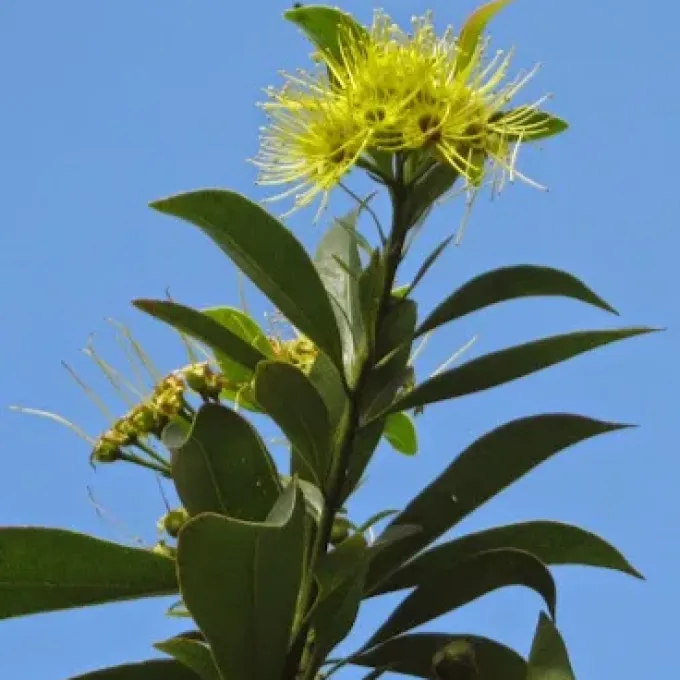
Description
Growing requirements
Cunningham's eucalyptus (Eucalyptus cunninghamii) belongs to the Myrtaceae family. This evergreen species is native to Australia, where it has evolved in specific temperate and subtropical climates, favoring regions with consistent warmth and access to natural light.
The crop has specific light requirements and thrives best in open, sunny locations. Proper sunlight exposure is essential for the tree's photosynthesis, ensuring rapid biomass accumulation and the development of healthy, dense foliage throughout the growing season.
Soil requirements for this species focus on well-drained, sandy loam or loamy textures. The root system is sensitive to waterlogging; therefore, maintaining good soil aeration is crucial. In heavier clay soils, the installation of a proper drainage system is a mandatory prerequisite for successful growth.
Water management is critical during the initial establishment phase. Young trees require supplemental irrigation to develop a robust root structure. Once mature, Cunningham's eucalyptus exhibits moderate drought tolerance, although optimal growth still requires consistent, though not excessive, soil moisture.
The climate must be suitable for temperate or subtropical conditions. While the species shows some resistance to minor frosts, extreme temperature drops can cause damage to the canopy. Protecting young plants from freezing temperatures is necessary in regions prone to seasonal cold snaps.
Yield
The economic value of Cunningham's eucalyptus is primarily linked to its timber production and biomass harvest. It is widely recognized for its fast growth rate, making it an excellent candidate for forest plantations aimed at sustainable resource management.
Eucalyptus timber is valued for its durability and resistance to biological decay. It is commonly utilized in construction, furniture manufacturing, and as a raw material for various industrial applications where strength and longevity are required.
Essential oil extraction represents another significant sector for this crop. The leaves contain secondary metabolites that are highly sought after in the pharmaceutical, wellness, and cosmetic industries for their antiseptic and anti-inflammatory properties.
The crop is also extensively used in environmental landscaping and windbreak formation. By planting these trees, farmers can create efficient barriers that protect delicate crops from high winds while simultaneously improving the local biodiversity and aesthetics of the land.
Regular maintenance, including periodic pruning, is essential to maximize the yield of high-quality foliage and wood. Proper tree management ensures that the plant directs energy towards consistent vertical and lateral growth, increasing the overall plantation productivity.
Main diseases and pests
Fungal diseases are among the primary threats to eucalyptus plantations, particularly in humid environments. Leaf spot diseases can lead to defoliation, which severely impacts the plant's ability to grow efficiently and may weaken the entire stand if left unchecked.
Pest populations, such as aphids and leaf-eating beetles, pose a recurring challenge for producers. Integrated pest management strategies, including the monitoring of foliage health, are recommended to maintain the vigor and commercial value of the eucalyptus trees.
Root rot, often caused by poorly drained soils, remains the most significant threat to plant longevity. Preventing water stagnation in the root zone is the most effective preventative measure against the rapid onset of soil-borne pathogens and tree mortality.
Environmental stressors, such as prolonged drought or extreme wind events, can also jeopardize the structural integrity of the trees. Ensuring the plants are properly spaced and that the soil nutrient profile is balanced helps the trees better withstand such natural conditions.
Proactive disease and pest control should prioritize biological solutions. By utilizing certified, disease-free nursery stock and maintaining a healthy growing environment, farmers can significantly reduce the risk of infestation and promote the long-term success of the plantation.