
Eucalyptus crenulata
Eucalyptus crenulata
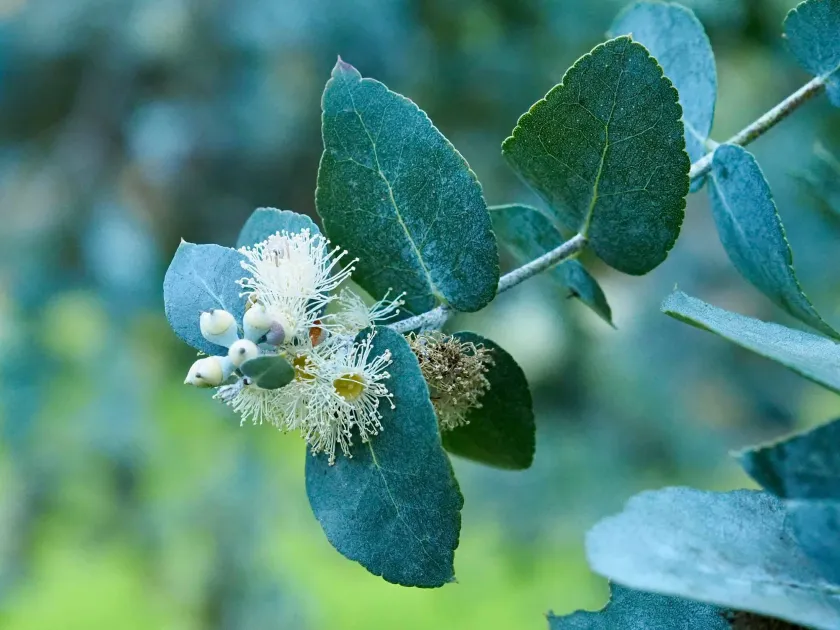
Description
Growing requirements
Eucalyptus crenulata, commonly known as the Buxton Gum, is a distinct species within the Myrtaceae family. Native to a very restricted range in Victoria, Australia, it is considered a rare plant in its natural habitat.
Unlike many other eucalyptus species adapted to arid environments, Eucalyptus crenulata thrives in moist soil conditions. It is frequently found in depressions and poorly drained areas, showing a remarkable tolerance for waterlogged soils.
The tree is characterized by its juvenile leaves, which have distinctively crenulated or serrated margins, giving the plant its specific name. As the tree matures, the leaves shift to a more elongated, lanceolate shape with a grey-green hue.
For cultivation, the plant requires a cool to temperate climate and fertile, moisture-retentive soil. It is an excellent choice for landscaping sites that are too wet for most other tree species, provided the climate is not prone to extreme heat.
In terms of practical use, it is highly valued as an ornamental tree in temperate regions. It is often utilized in public parks and botanical gardens for its unique foliage and the refreshing scent produced by its essential oils.
Main diseases and pests
One of the primary threats to Eucalyptus crenulata is the development of root rot, often caused by stagnant water if the soil lacks a degree of natural drainage. Proper site preparation is essential to maintain root health.
Fungal leaf spot diseases can affect the foliage if the air circulation is poor, particularly in humid or greenhouse environments. Ensuring adequate spacing between trees helps reduce the spread of fungal spores.
Insect pests, including various types of leaf-chewing beetles, can cause significant damage to the crown. Regular inspection of the leaves during the active growth season is vital to manage pest populations before they cause heavy defoliation.
Scale insects and aphids may also pose a problem, especially on younger specimens. These pests drain the plant's vigor and can lead to the growth of sooty mold, which impairs the aesthetic value of the tree.
Maintaining optimal soil fertility and avoiding moisture stress are the best defenses against most diseases and pests. A healthy, vigorous tree is naturally more resilient to environmental and biological stressors.