
Eucalyptus crebra
Eucalyptus crebra
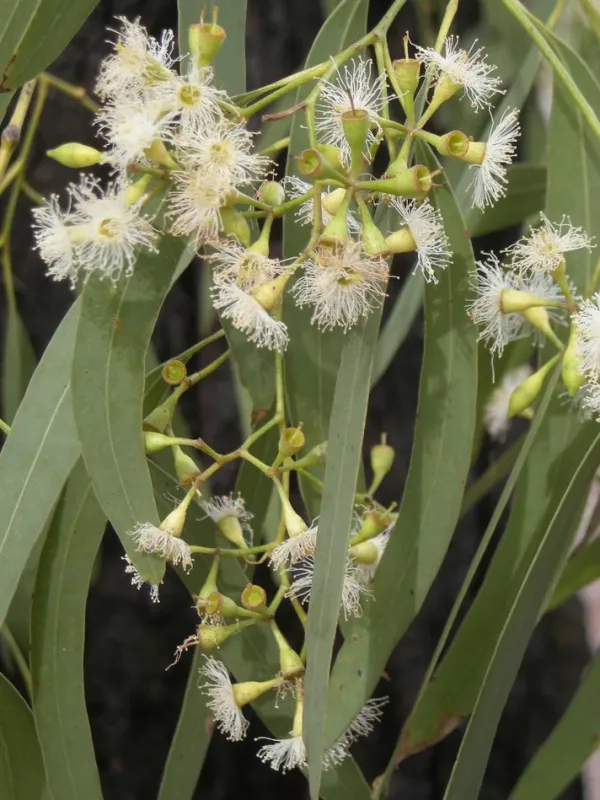
Description
Sowing dates
Eucalyptus crebra, commonly known as the Narrow-leaved ironbark, is a hardy evergreen tree belonging to the Myrtaceae family. Sowing is typically performed in nurseries during late winter or early spring to ensure seedlings are robust before transplanting.
Successful germination requires soil temperatures maintained between 20–25 degrees Celsius. Seeds should be sown in trays using a lightweight, well-draining potting mix to provide the aeration needed for young, sensitive root systems.
Transplanting into open ground should only occur after the risk of frost has passed, as young saplings are susceptible to cold damage. In large-scale forestry, containerized seedlings are preferred for their higher survival rates in diverse field conditions.
Planting density is crucial and is determined by the intended use of the timber. A spacing of 3–4 meters is standard for commercial forestry to ensure proper crown development and access to sunlight for each tree.
Consistent moisture is required during the establishment phase. While the species is resilient, early irrigation cycles significantly improve the growth rate and structural uniformity of the developing stand.
Growing requirements
Native to eastern Australia, Eucalyptus crebra is well-adapted to high-sunlight environments. It thrives in full sun, and shaded conditions should be avoided to prevent stem deformation and reduced vigor.
The species is renowned for its significant drought tolerance once established, though it responds well to moderate irrigation during periods of extreme dryness. It can adapt to a wide variety of soil types, including sandy, stony, or clay-based substrates.
Optimal growth is achieved in slightly acidic to neutral soils with excellent drainage. Waterlogging is a primary enemy of this species, as it quickly leads to root rot and can destroy entire plantation plots.
The tree is sensitive to severe cold and extended freezing periods. Strong, desiccating winds can also cause damage to the foliage, necessitating protected planting sites in regions prone to extreme weather events.
To maximize biomass production, balanced NPK fertilizers should be applied during the first few years of growth. Once the canopy closes, the tree's nutrient requirements decrease as the stand begins self-regulating through litter cycling.
Yield
Eucalyptus crebra is prized for its exceptionally dense, hard, and durable timber, often referred to as ironbark. It is a premier choice for heavy engineering, railway sleepers, and structural poles due to its immense physical strength.
The harvest cycle for industrial timber typically ranges from 25 to 40 years, depending on regional site quality and silvicultural interventions. Intensive management can accelerate growth, providing faster access to harvestable wood volume.
Beyond its timber value, the leaves of Eucalyptus crebra are utilized for essential oil production. This secondary harvest provides additional economic viability for plantations that integrate biomass processing into their operational model.
The wood’s natural resistance to termites and fungal decay minimizes the need for chemical preservation treatments. This inherent characteristic makes it an environmentally preferred material for outdoor and ground-contact applications.
Strategic thinning of the stand is a critical management practice. By removing inferior trees, forestry managers allow the remaining high-quality specimens to thrive, ultimately increasing the volume and quality of the final harvest.
Main diseases and pests
Leaf-eating insects, including various species of beetles and weevils, pose a constant threat by reducing the tree's photosynthetic capacity. Defoliation can lead to significant stress and increased vulnerability to secondary infections.
Fungal leaf spot diseases are common in humid environments with poor air circulation. Managing tree spacing and ensuring adequate crown ventilation are the most effective cultural methods for mitigating these outbreaks.
Root rot, frequently triggered by improper irrigation or poor drainage, remains a primary concern in nursery settings. Maintaining sterile conditions and strictly monitoring moisture levels are essential for healthy sapling development.
Gall-forming insects can cause abnormal growth in young shoots, which hampers the vertical development of the tree. Integrated pest management strategies, including the introduction of natural predators, are often employed to control these infestations.
Regular plantation monitoring is essential to catch early signs of distress. A comprehensive management plan combining cultural, biological, and occasional chemical interventions ensures the longevity and productivity of the eucalyptus crop.