
Eucalyptus cornuta
Eucalyptus cornuta
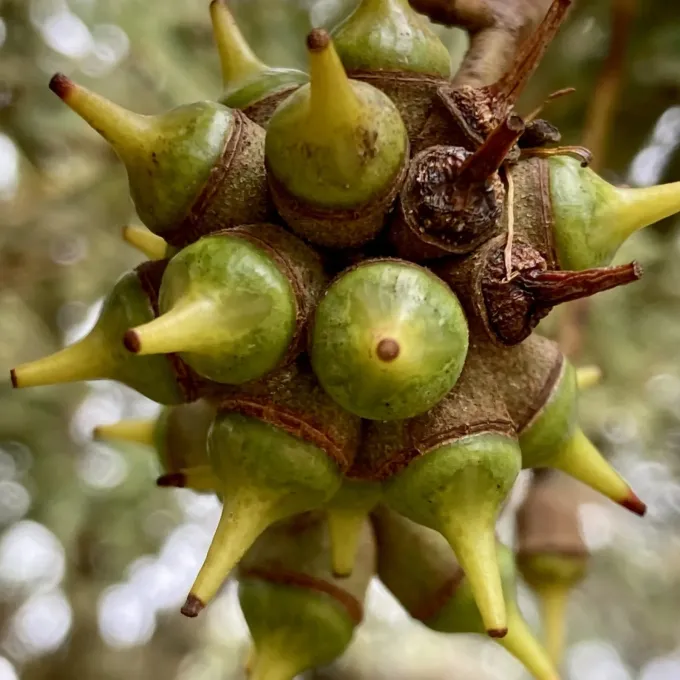
Description
Sowing dates
Sowing of Eucalyptus cornuta is typically performed in protected soil or greenhouses, as the seeds require stable temperature conditions for successful germination. In warmer regions, direct sowing into containers is possible, from which seedlings are later transplanted to their permanent growing site.
The optimal time for starting sowing operations is early spring when daylight hours begin to increase, which is beneficial for seedling root system development. It is essential to ensure high-quality drainage in seedling containers to prevent moisture stagnation, which is fatal to young roots.
Seeds should be sown at a depth not exceeding 0.5 cm, lightly covered with loose substrate. A crucial stage is maintaining constant soil moisture until the first sprouts appear, which usually occurs within 10 to 20 days.
Once the first pair of true leaves emerges, seedlings are pricked out into larger individual pots. This allows for the formation of a robust root system before planting into the open ground, once the threat of spring frosts has passed.
Transplanting to a permanent location is carried out when the seedlings reach a height of 30–50 cm. In industrial forest plantations, specific planting schemes are followed to ensure enough space for canopy formation and adequate sunlight penetration.
Growing requirements
Eucalyptus cornuta, belonging to the Myrtaceae family, is a typical representative of the flora of Western Australia. This plant is well-adapted to a Mediterranean climate characterized by distinct dry summers and moderately humid winters.
The crop has moderate soil fertility requirements; however, good aeration and soil permeability are critical. It prefers neutral to slightly acidic sandy or loamy soils, avoiding heavy clay areas that suffer from waterlogging.
The plant is photophilous (light-loving) and drought-tolerant once the initial adaptation period is complete. While young trees require regular watering, adult specimens are capable of surviving long periods without rainfall due to their deep and powerful root systems.
Optimal temperatures for active growth range from +18 to +28 degrees Celsius. Eucalyptus cornuta is sensitive to severe freezing temperatures, which is why its cultivation area is restricted to subtropical zones.
In regions with cold winters, the crop requires protection from icing and strong winds, which can damage young shoots. Establishing windbreaks around plantations helps promote better tree development and protects them from the desiccating effects of high winds.
Yield
The economic use of Eucalyptus cornuta focuses on harvesting its valuable, extremely hard, and durable timber. Plantation productivity is measured by the volume of wood mass generated over the cultivation cycle, which typically lasts between 15 and 25 years.
The wood of this species is widely used in construction, the production of utility poles for power lines, and the manufacturing of high-strength carpentry products. Due to its density, it is resistant to insect damage and decay.
The plant's leaves and essential oils are utilized in the pharmaceutical and cosmetic industries. Biomass harvesting for oil extraction is conducted through sanitary pruning and canopy shaping during the early stages of plantation development, providing supplementary income before final harvesting.
Growth intensity depends on planting density and agronomic care. Proper management techniques allow for a reduction in the time required to reach harvestable timber maturity, thereby increasing the overall profitability of the forestry enterprise.
An additional value of the crop is its ability to recover quickly after felling due to its coppicing ability. This allows for plantation reuse without the need for replanting seedlings, significantly reducing production costs.
Main diseases and pests
The main threats to young plantations are fungal diseases that develop under conditions of excessive air humidity. Among these, various leaf spots are prominent, as they slow down photosynthesis and weaken the trees.
Pests, such as leaf beetles and eucalyptus weevils, can cause significant damage to young growth. To control their population, both biological pest control methods and preventive insecticide treatments are employed during the initial growth phase.
Root rots are the most dangerous threats, arising primarily in areas with poor drainage. Prevention consists of carefully selecting the planting site and ensuring that the soil does not become waterlogged.
During dry seasons, the risk of infestation by sucking pests, such as aphids or scale insects, increases as stressed trees become more vulnerable. Maintaining an optimal water balance is essential for preserving the plant's natural immune system.
To monitor the phytosanitary status of plantations, regular inspections are conducted, especially during spring and autumn temperature shifts. Timely removal of affected branches prevents the spread of infection clusters throughout the entire plantation.