
Eucalyptus cordata
Eucalyptus cordata
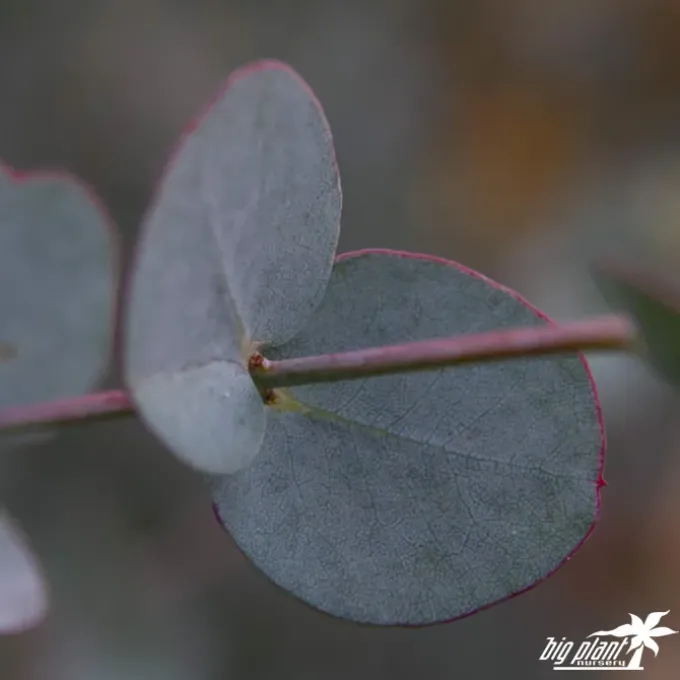
Description
Sowing dates
Eucalyptus cordata is primarily propagated via seeds in controlled nursery environments to ensure high germination rates and seedling quality.
Seeds are sown on the surface of a well-draining, sterile substrate, as they require light to germinate effectively and should not be covered deeply.
Maintaining a temperature range between 20°C and 22°C is essential for consistent and uniform emergence, which typically occurs within a few weeks.
Once seedlings develop their first true leaves, they are transplanted into individual pots to facilitate root development and reduce transplant stress later.
Proper hardening-off processes are crucial before transferring young plants to their permanent location to acclimatize them to outdoor environmental conditions.
Growing requirements
As a member of the Myrtaceae family, Eucalyptus cordata thrives in sunny, well-lit locations and requires full solar exposure for optimal foliage development.
The soil must be well-drained with a slightly acidic to neutral pH, as poor drainage is the most significant factor leading to root rot in this species.
Watering should be balanced; although the plant is moderately drought-tolerant when established, it requires consistent moisture during its initial growth phase.
It is sensitive to hard frosts, making it suitable for year-round outdoor cultivation only in Mediterranean or mild temperate climates, otherwise requiring protection.
Regular fertilization with a balanced, low-phosphorus nutrient solution supports vigorous growth and enhances the characteristic glaucous blue foliage color.
Yield
The primary economic value of Eucalyptus cordata lies in its harvestable foliage, which is highly sought after in the floral industry for its unique shape and color.
High yields of high-quality stems are achieved through systematic pruning, which encourages dense branching and the production of juvenile heart-shaped leaves.
In addition to decorative use, the biomass can be processed for essential oils, which are utilized in both the pharmaceutical and cosmetic industries.
Crop density and soil fertility management are the main drivers of yield volume in a controlled agricultural setting, requiring precise seasonal planning.
Strategic harvesting cycles ensure a continuous supply of foliage, maximizing the productivity of the plantation throughout the growing season.
Main diseases and pests
Fungal pathogens represent the most significant threat, particularly during periods of high humidity or in environments with poor air circulation.
Root rot caused by waterlogged soil is a common issue that must be managed through strict irrigation control and preventative fungicide applications.
Pests such as spider mites and mealybugs can infest the foliage, particularly in indoor or greenhouse settings where the climate is dry and warm.
Aphid outbreaks can also affect tender new shoots, requiring timely intervention with insecticidal soaps or biological control agents to maintain plant health.
Regular field scouting and rapid response to early signs of infestation are essential to preventing widespread damage and protecting the overall crop yield.
Harvesting
Harvesting is performed by hand using sharp, sanitized pruning shears to ensure clean cuts and minimize physical damage to the plant structure.
Timing the harvest to the early morning hours helps preserve moisture within the leaves, extending the post-harvest vase life of the decorative stems.
Once harvested, stems are immediately sorted, graded by stem length and foliage quality, and bunched for storage or distribution to market.
Proper post-harvest handling includes keeping the foliage in a cool, well-ventilated environment to maintain the integrity of the waxy leaf surface.
Effective logistics and cold chain management allow for the successful transport of harvested eucalyptus foliage to local and international floral markets.