
Eucalyptus conspicua
Eucalyptus conspicua
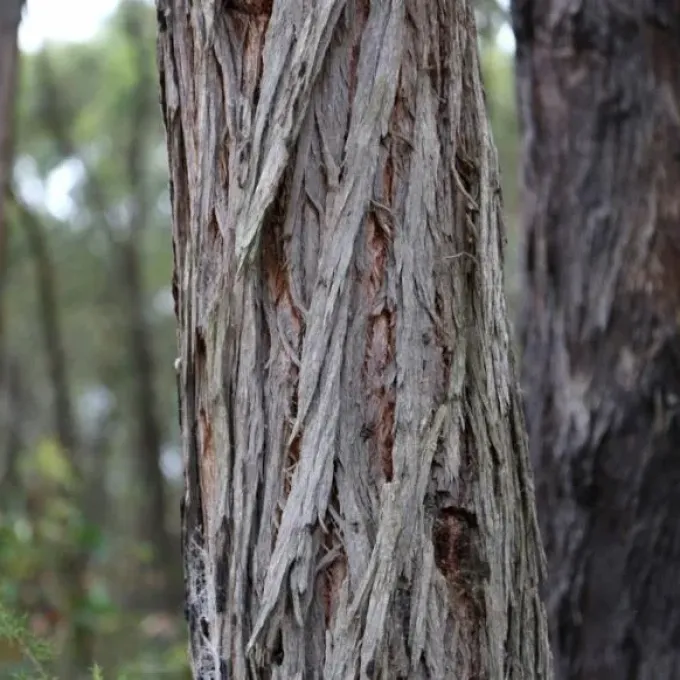
Description
Sowing dates
Eucalyptus conspicua is a perennial evergreen tree belonging to the Myrtaceae family. Known for its rapid growth rate, it has become a species of interest for commercial forestry, particularly in regions that mimic its natural habitat requirements.
Propagation is typically achieved through nursery-grown seedlings. The optimal time for sowing seeds is early spring, ensuring that the young plants are well-established before any seasonal environmental stresses occur.
Seeds are sown in a specialized substrate that provides excellent drainage and moisture retention. Once seedlings reach a height of approximately 20 to 30 centimeters, they are ready to be transplanted into permanent forestry plots.
The initial establishment phase is crucial. Proper spacing during planting is essential to ensure that each tree has sufficient access to light and nutrients, which promotes straight trunk development and high-quality biomass accumulation.
Native to southeastern Australia, the species has evolved to thrive in specific climatic cycles. Understanding these native conditions is essential for successful introduction and cultivation in other parts of the world.
Growing requirements
Eucalyptus conspicua thrives in well-drained, fertile soils. It is particularly sensitive to waterlogging; therefore, avoiding sites with high water tables or poor drainage is vital to prevent root rot and ensure healthy tree development.
This species is highly light-demanding. To achieve maximum growth potential and a well-formed crown, it must be planted in open areas with full sun exposure, free from the shade cast by larger trees or structures.
Climatic requirements focus on mild temperatures and long growing seasons. While it can tolerate moderate variations, extreme frost can damage young tissue, making it best suited for subtropical and temperate climates.
During the first few years of growth, supplemental irrigation may be necessary during dry spells to ensure deep root penetration. This early investment in moisture management pays off with increased resilience as the tree matures.
Soil nutrient management should be approached with caution. While nitrogen and other minerals are necessary, excessive fertilization can lead to burnt roots, especially in young saplings still developing their delicate root systems.
Yield
The primary economic use of Eucalyptus conspicua is timber production. The tree's fast-growing nature allows for shorter rotation cycles compared to traditional hardwood species, providing a quicker return on investment for forest managers.
Its timber is valued for its strength and structural integrity, making it useful in construction, furniture manufacturing, and the pulp and paper industry. The wood quality is generally consistent, provided the silviculture practices are followed.
Beyond timber, the leaves are harvested for the production of essential oils. These oils contain bioactive compounds that are highly sought after in the pharmaceutical, wellness, and cosmetic industries for their antiseptic properties.
Yield efficiency is directly linked to density management. Thinning cycles are essential to maintain the health of the stand and to maximize the volume of high-quality sawlogs harvested at the end of the rotation period.
In addition to industrial products, these plantations are utilized for land reclamation. Their deep root systems help regulate groundwater levels and significantly reduce soil erosion, acting as an ecological barrier.
Main diseases and pests
Common pests affecting this species include various leaf-feeding insects, such as beetles and weevils. These insects can cause significant defoliation, which hampers the tree's photosynthetic capacity and slows overall growth.
Fungal diseases are a major concern, particularly leaf spots and root rots caused by excess humidity and poor air circulation. These conditions are often the result of improper plantation density or poorly chosen soil sites.
Effective management includes preventative measures such as regular sanitary pruning and the removal of infected plant material to stop the spread of spores. Keeping the stand clean is the first line of defense.
When pests or pathogens pose an economic threat, an integrated pest management (IPM) approach is recommended. This involves monitoring the population and using biological or selective chemical controls to mitigate damage.
Constant monitoring by agronomic staff ensures that any sign of disease is identified early, preventing minor localized issues from becoming widespread problems that could impact the productivity of the entire plantation.