
Eucalyptus consideniana
Eucalyptus consideniana
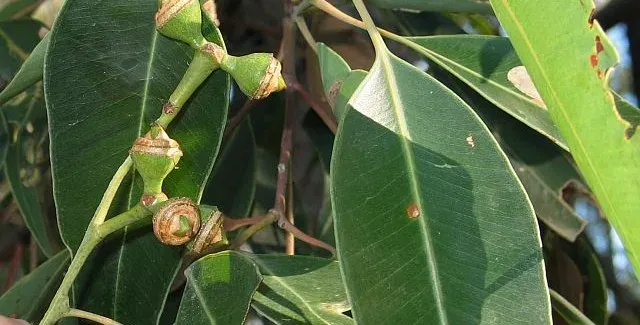
Description
Growing requirements
Eucalyptus consideniana, commonly known as the Yertchuk, is a medium-sized tree belonging to the Myrtaceae family. It is native to the southeastern parts of Australia, where it is found in coastal forests and dry sclerophyll woodlands.
The tree thrives in temperate climates and is known for its ability to grow in poor, sandy, or gravelly soils. While it prefers full sun exposure, it is remarkably resilient to varying environmental conditions within its native range.
Agronomic management of this species involves site selection that provides excellent drainage. Proper spacing is essential to ensure adequate airflow and sunlight penetration, which are critical for the healthy development of the tree canopy.
In terms of cultivation, seedlings require careful monitoring during their first two seasons. Once the root system is well-established, the tree exhibits significant drought tolerance, reducing the need for intensive irrigation programs.
The economic value of this species lies in its timber, which is dense and durable. It is commonly used for general construction purposes, fencing, and as a source of firewood, making it a viable forestry crop in suitable regions.
Main diseases and pests
The most significant threats to Eucalyptus consideniana plantations are defoliating insects, such as chrysomelid beetles. These pests can cause substantial damage to the leaves, slowing the overall growth rate of the forest stand.
Fungal pathogens often impact these trees during periods of high humidity. Diseases such as leaf blight or stem cankers can emerge if the trees are planted in areas with poor ventilation and stagnant air conditions.
Root rot, particularly caused by Phytophthora species, is a major concern if the soil remains waterlogged for extended periods. Effective drainage management is the primary defense strategy against these soil-borne threats.
Managing these threats requires regular health assessments of the plantation. Integrated Pest Management (IPM) practices, including the preservation of natural predators, are recommended to maintain a healthy and productive grove.
Wild animals, including rodents and larger marsupials, can cause mechanical damage to young saplings. Protecting the perimeter of new plantations is often necessary to ensure the survival of the crop during the vulnerable early stages.