
Eucalyptus coccifera
Eucalyptus coccifera
Description
Growing requirements
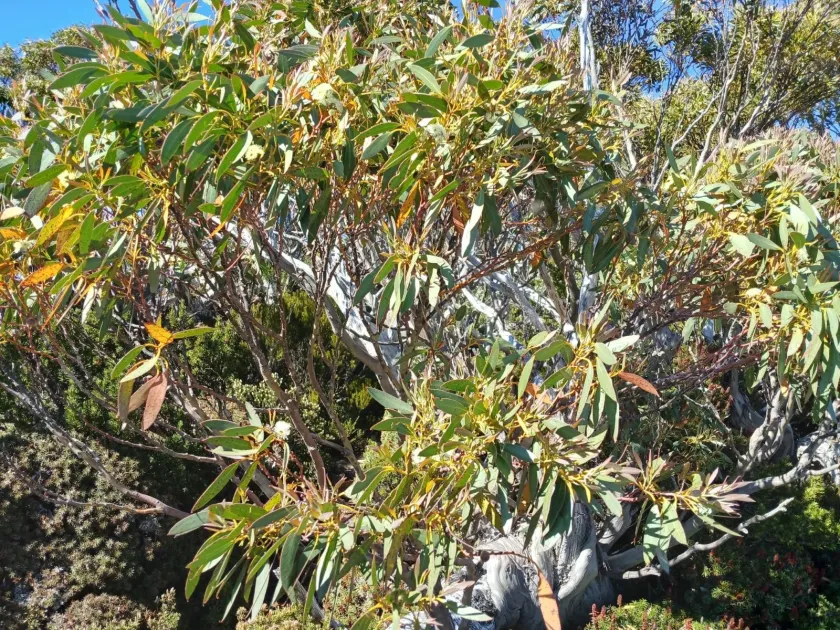
Eucalyptus coccifera, commonly known as Mount Wellington peppermint, is a member of the Myrtaceae family. It is a striking evergreen tree characterized by its smooth, peeling bark and silvery-green, waxy foliage that provides an excellent ornamental value in temperate climates.
Originating from the high-altitude regions of Tasmania, this species has adapted to survive in harsh, windy, and cold environments. Unlike many other eucalyptus species, it possesses a notable degree of frost tolerance, making it a viable candidate for cooler geographic zones.
To ensure healthy growth, the species requires well-draining, acidic to neutral soil. It is highly intolerant of waterlogged conditions, which can lead to rapid root degradation; therefore, planting on slopes or elevated beds is highly recommended for site preparation.
Light availability is a critical factor for the development of its signature blue-grey foliage. A location with full sun exposure is ideal, as it promotes efficient photosynthesis and enhances the accumulation of protective wax on the leaves.
Standard cultivation techniques for Eucalyptus coccifera involve minimal fertilization and consistent moisture management during the establishment phase. Once mature, the tree exhibits significant drought tolerance, reducing the need for intensive irrigation compared to other agricultural woody crops.
Main diseases and pests
Root rot is the most significant pathological threat to the crop, typically triggered by poor soil aeration and excessive moisture levels. Improving drainage remains the most effective management strategy to prevent the development of these soil-borne pathogens.
Scale insects and aphids may occasionally colonize the foliage and tender stems. Monitoring the undersides of leaves during the peak growing season is essential for the early detection and management of these sap-sucking pests.
Powdery mildew can occur in stagnant, humid environments where air circulation is restricted. Pruning practices aimed at thinning the crown are vital for reducing the microclimate humidity that favors fungal spore germination.
Iron chlorosis is frequently observed when the plant is situated in alkaline or high-calcium soils, which render essential micronutrients unavailable. Correcting soil pH or applying chelated iron supplements can effectively address this nutritional imbalance.
Physical damage caused by high winds can create entry points for opportunistic wood-rotting fungi. Supporting young saplings with stakes and choosing wind-protected sites for young plantations are standard preventive measures in professional arboriculture.