
Eucalyptus cneorifolia
Eucalyptus cneorifolia
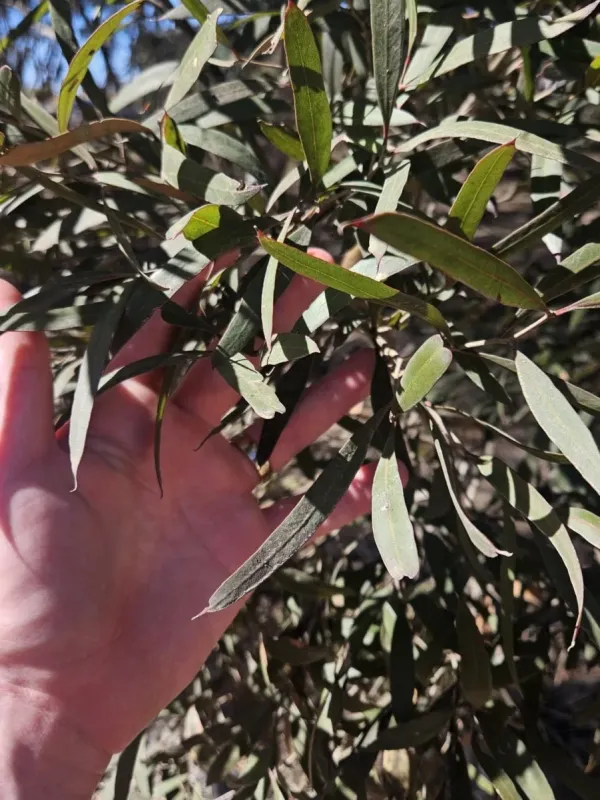
Description
Sowing dates
Sowing of Eucalyptus cneorifolia seeds is typically performed in a controlled nursery environment to ensure high germination rates and protect young seedlings.
The seeds are sown in a well-drained, sterile substrate to prevent damping-off, a common fungal issue that affects young eucalyptus sprouts.
Temperature management is critical; maintaining a warm environment significantly accelerates the emergence of the seedlings during the initial weeks.
Transplanting into the field is recommended once the plants have developed a robust root system and can withstand the outdoor environmental variables.
Spacing during planting is a key agronomic factor, ensuring that mature trees have enough room for optimal airflow and sunlight exposure.
Growing requirements
As a member of the Myrtaceae family, this species thrives in Mediterranean-style climates that feature dry summers and mild, wet winters.
It demands full sun exposure to flourish and maintain the necessary physiological conditions for efficient essential oil synthesis within its leaves.
Well-drained soil is non-negotiable; the species is highly sensitive to waterlogged conditions, which can lead to root rot and tree mortality.
The narrow-leaf mallee is noted for its high tolerance to drought and poor, rocky soil conditions, making it suitable for marginal land cultivation.
While hardy in its native range, protection from severe frost is necessary during the early stages of establishment to prevent structural damage.
Yield
The primary agricultural output of Eucalyptus cneorifolia is its high-quality essential oil, known for its cineole content and medicinal properties.
Yields are determined by the biomass production of the foliage, which can be harvested periodically without causing long-term damage to the plant.
Mature plantations yield a steady harvest of leaves, providing a sustainable source of aromatic oils for the pharmaceutical and cosmetic industries.
Soil nutrient levels, particularly the presence of trace minerals, play a significant role in enhancing the yield and concentration of volatile oils.
Agro-economic optimization involves balancing harvesting frequency with the plant's natural regeneration rate to ensure long-term plantation productivity.
Main diseases and pests
Common threats include various fungal pathogens that thrive in high humidity or poor air circulation within dense plantations.
Insects like leaf-eating beetles or scale insects can pose a challenge by damaging the foliage and reducing the total quality of the essential oil crop.
Integrated pest management strategies, focusing on biological controls, are preferred to maintain the integrity of the aromatic extracts.
Maintaining proper plantation hygiene—such as removing dead branches—helps significantly reduce the risk of localized disease outbreaks.
Water management is the most effective preventive measure against root-related threats, ensuring the soil remains oxygenated and drainage is efficient.
Harvesting
Harvesting usually involves the systematic coppicing or trimming of young, leafy branches that contain the highest density of oil-producing glands.
Timing the harvest to occur during dry periods maximizes the concentration of volatile oils and makes the drying process more efficient.
Post-harvest handling requires quick transportation to the distillation facility to minimize the evaporation of precious aromatic compounds.
Mechanized pruning tools are often utilized on large commercial plantations to increase labor efficiency and reduce the time from field to boiler.
The species demonstrates excellent resprouting capabilities, allowing for multiple harvests over many years from the same rootstock base.