
Eucalyptus cephalocarpa
Eucalyptus cephalocarpa
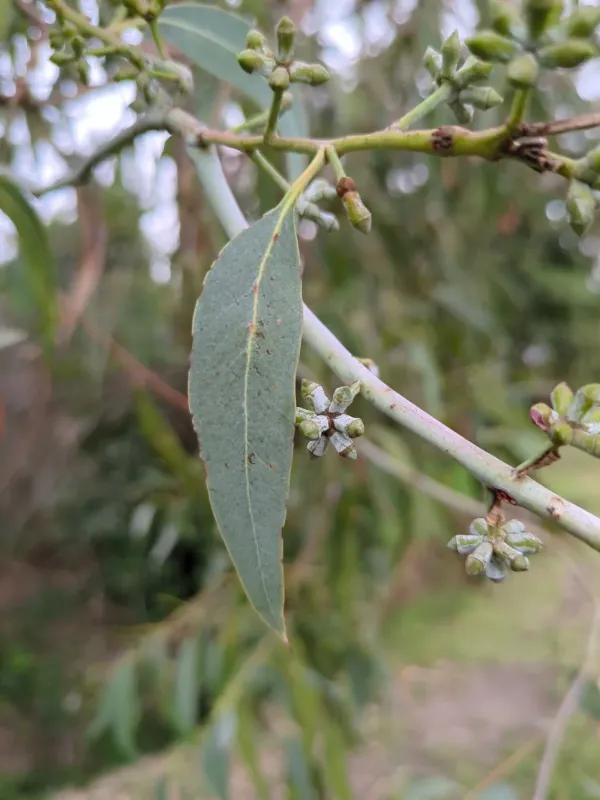
Description
Sowing dates
The propagation of Eucalyptus cephalocarpa is typically performed through seeds sown in controlled nursery environments. Utilizing high-quality, sterilized growing media is essential to ensure a high germination rate and to protect vulnerable seedlings.
Seeds are sown on the surface of the soil and only lightly covered with fine grit or vermiculite, as they require adequate light to initiate the germination process successfully.
Temperature management during the sowing phase is crucial; a consistent range between 20 and 25 degrees Celsius promotes uniform growth. Adequate ventilation is also necessary to prevent damping-off diseases common in young seedlings.
Seedlings are usually transplanted into individual containers once they develop their first true leaves. This approach allows for the development of a robust root system before field planting.
Transplanting to the final site is carried out when the plants reach a height of approximately 30–50 centimeters, ensuring that they are strong enough to withstand environmental conditions.
Growing requirements
Eucalyptus cephalocarpa, a member of the Myrtaceae family, is native to Australia and thrives in sunny, well-ventilated conditions. It is a light-demanding species that does not tolerate heavy shade.
The tree prefers well-drained, slightly acidic to neutral soils. While it can adapt to various soil textures, it performs best in sandy or loamy soils that provide good aeration for the root system.
Water requirements are moderate. While the plant is drought-tolerant once established, providing supplemental irrigation during the initial years of growth significantly enhances the tree's health and vigor.
The species is moderately frost-tolerant, making it suitable for temperate climates with mild winters. However, extreme freezing temperatures can damage foliage and young branches.
Nutrient management involves applying balanced fertilizers, while avoiding excessive phosphorus, which can inhibit the growth of certain native Australian eucalyptus species.
Main diseases and pests
Pests such as leaf beetles and various species of weevils are common threats to Eucalyptus cephalocarpa. These insects can cause significant defoliation if left unchecked during the peak growing season.
Fungal infections, including powdery mildew and leaf spot, often develop in environments with high humidity and poor air circulation, necessitating the use of fungicides in dense plantations.
Root rot, primarily caused by Phytophthora species, is a serious risk in poorly drained soils. Preventing waterlogging is the most effective cultural method to mitigate this threat.
In some regions, gall-forming insects can cause localized deformation of branches, which may affect the aesthetic value of the trees intended for the floral industry.
Implementing an integrated pest management (IPM) strategy, including regular field monitoring and the use of natural predators, is recommended to keep pest populations at manageable levels.
Harvesting
Eucalyptus cephalocarpa is primarily valued for its juvenile foliage, which is highly sought after by the floral industry for its silvery-blue color and long-lasting freshness in arrangements.
The species is also cultivated for the production of essential oils. Harvesting involves trimming foliage and young shoots, which are then processed through steam distillation to extract the aromatic compounds.
Pruning for harvest must be conducted with care to promote sustainable growth. Regular harvesting actually helps in maintaining a dense, bushy habit, which is beneficial for both leaf production and aesthetics.
Timber utilization is secondary for this species but can include firewood or pulpwood products. Sustainable harvesting plans are essential to ensure the longevity of the plantation.
Post-harvest management involves keeping the foliage cool and protected from direct sunlight to prevent the degradation of essential oils and to maintain the quality of the branches before shipment.