
Eucalyptus castrensis
Eucalyptus castrensis
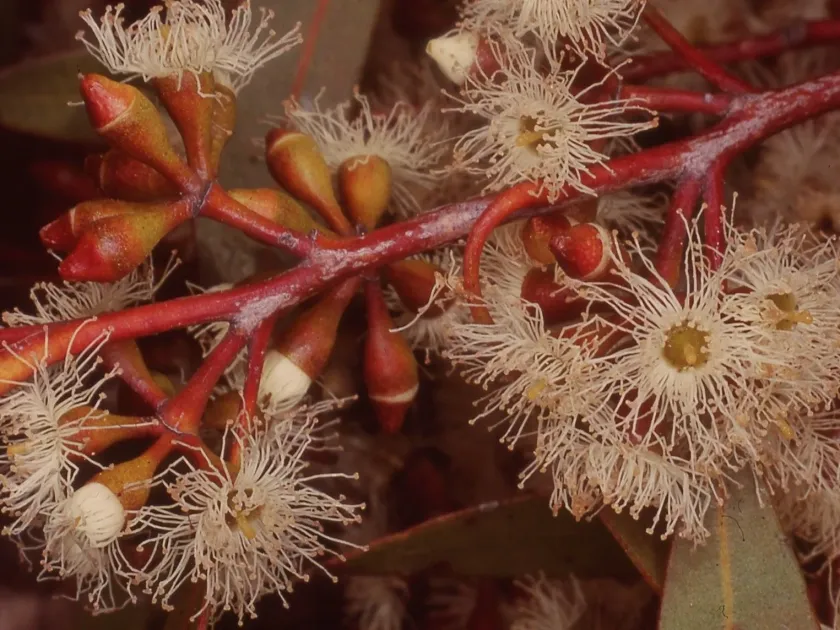
Description
Sowing dates
Eucalyptus castrensis is a member of the Myrtaceae family. This woody species is native to specific regions of Australia. For agricultural and forestry purposes, propagation is primarily achieved through seed sowing in specialized professional nurseries to ensure high-quality saplings.
Seeds are sown in a prepared substrate with excellent drainage properties. The optimal time for sowing is early spring when daylight hours increase, which is essential for uniform germination and early plant development before transplantation into the field.
To ensure high survival rates, saplings undergo an hardening-off process for several weeks before being planted in their permanent location. This practice increases the resilience of young trees to temperature fluctuations and high solar radiation during the transition period.
The planting density is calculated based on the intended use, such as biomass production or high-quality timber. On average, industrial plantations utilize a spacing of 2 to 3 meters between rows to facilitate optimal air circulation and individual tree growth.
During the initial growth stages, weed management in the surrounding soil is critical. Young eucalyptus trees are sensitive to competition for nutrients and moisture; therefore, timely weeding and mulching are standard essential operations for plantation maintenance.
Growing requirements
The crop has specific climate requirements, thriving in regions with mild winters. Eucalyptus castrensis shows high sensitivity to frost; therefore, the range for its effective cultivation is limited to subtropical and warm-temperate zones where freezing events are rare.
Soil preferences include well-drained, sandy, or sandy-loam types with a slightly acidic pH. The plant does not tolerate waterlogging at the root zone, which necessitates selecting elevated or naturally sloping land for plantation establishment.
Intensive growth requires abundant sunlight throughout the year. Excessive shading negatively impacts trunk formation and wood growth rates, which ultimately reduces the commercial value of the final timber product.
While moderate rainfall is beneficial, additional irrigation is necessary during prolonged dry spells. Irrigation should be deep and thorough to encourage the root system to penetrate deeper into the soil profile for long-term stability.
Agronomic maintenance also includes the application of balanced fertilizers based on phosphorus and potassium. These nutrients strengthen the plant's immune system and stimulate active vegetation during periods of rapid biomass accumulation.
Main diseases and pests
Like many species in the Eucalyptus genus, this tree is susceptible to specific pests, including leaf-chewing insects and weevils. Their activity can significantly reduce growth rates and vitality if left uncontrolled during the early stages of development.
Fungal diseases pose a major threat, particularly in environments with high humidity and poor air circulation. Root rot, often caused by water-saturated soils, is a frequent cause of significant plant loss in poorly managed plantations.
Effective disease prevention includes maintaining strict crop monitoring and ensuring quarantine protocols when introducing new planting materials. The application of fungicides is advised only at the early stages of infection following strictly regulated dosages.
Regular plantation monitoring should be conducted throughout the entire growing season. Prompt removal and destruction of affected plant parts help contain infection outbreaks and protect the overall yield and health of the stand.
Industrial plantation management increasingly integrates biological control methods, such as encouraging natural predators of common pests. This sustainable approach reduces chemical reliance and minimizes the environmental footprint of the forestry operation.