
Eucalyptus carnea
Eucalyptus carnea
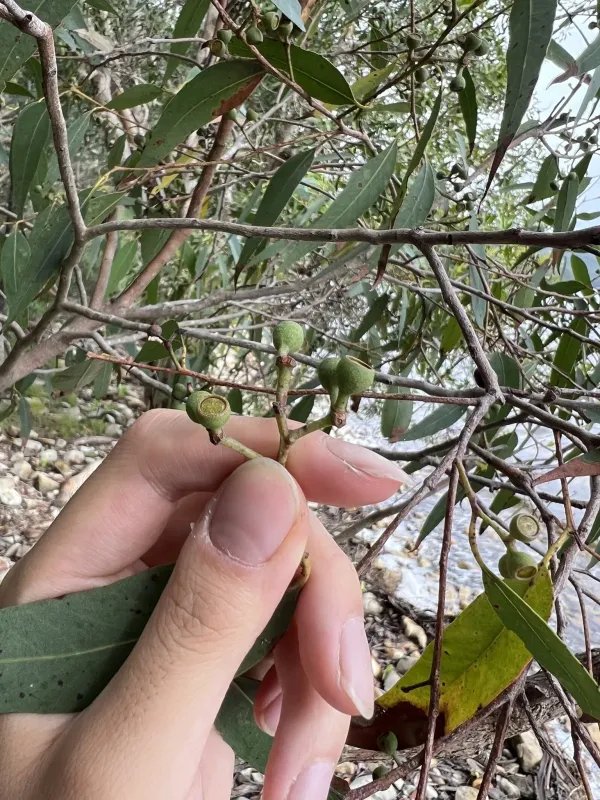
Description
Sowing dates
The propagation of Eucalyptus carnea is primarily conducted in specialized nurseries to ensure high survival rates of young seedlings.
Seeds should be sown in early spring in trays filled with a well-draining, sterile potting medium to prevent early damping-off diseases.
Pre-treatment of seeds, including cold stratification, significantly boosts germination energy and ensures uniform emergence of the seedlings.
Controlled environmental conditions, such as maintaining high humidity and optimal lighting, are vital during the first weeks of growth.
Seedlings are typically hardened off in outdoor conditions for several weeks before being transplanted into their permanent field location.
Growing requirements
As a member of the Myrtaceae family, Eucalyptus carnea thrives in subtropical climates that offer warmth and good light exposure.
The species prefers deep, sandy-loam soils that facilitate excellent drainage, preventing root rot and other moisture-related disorders.
This eucalyptus variety is highly resilient once established but requires consistent irrigation during its initial growth phase.
Adequate spacing between trees is necessary to allow for optimal airflow and to minimize the risk of spreading fungal infections.
Soil pH levels should be monitored, as this species performs best in slightly acidic to neutral soil environments for optimal nutrient uptake.
Yield
The yield of Eucalyptus carnea is evaluated by the total volume of high-quality timber produced per hectare during a typical rotation cycle.
The timber is highly valued in construction, carpentry, and the paper pulp industry due to its density and structural strength.
In addition to wood, the foliage can be harvested for essential oil extraction, providing a secondary revenue stream for forestry operations.
Proper silvicultural management, including periodic thinning, ensures that the remaining trees have sufficient resources for rapid growth.
Market demand and tree maturity are the primary drivers when determining the most profitable time for harvesting the plantation.
Main diseases and pests
Leaf-feeding insects are the most common pests that can compromise the overall vigor and growth rate of the plantation trees.
Root pathogens represent a significant threat if the soil remains waterlogged, which highlights the importance of site drainage management.
Invasive weed species can outcompete young saplings for nutrients and water, requiring timely mechanical or chemical control measures.
Regular monitoring of the forest canopy allows for the early detection of pests, enabling targeted interventions before damage becomes severe.
Biosecurity measures should be implemented to prevent the introduction of pathogens that could affect the health of the entire forest stand.
Harvesting
Harvesting operations are typically carried out when the trees reach economic maturity, usually between 15 to 25 years after planting.
The harvesting process involves efficient felling techniques followed by debarking and sorting the timber into different grade categories.
Sustainable harvesting practices ensure that the soil structure is preserved, which is essential for future replanting efforts on the site.
The extracted biomass is transported to local sawmills or processing facilities where it is converted into usable industrial products.
- Log bucking and quality grading.
- Transportation and logistics planning.
- Post-harvest site evaluation.