
Eucalyptus camphora
Eucalyptus camphora
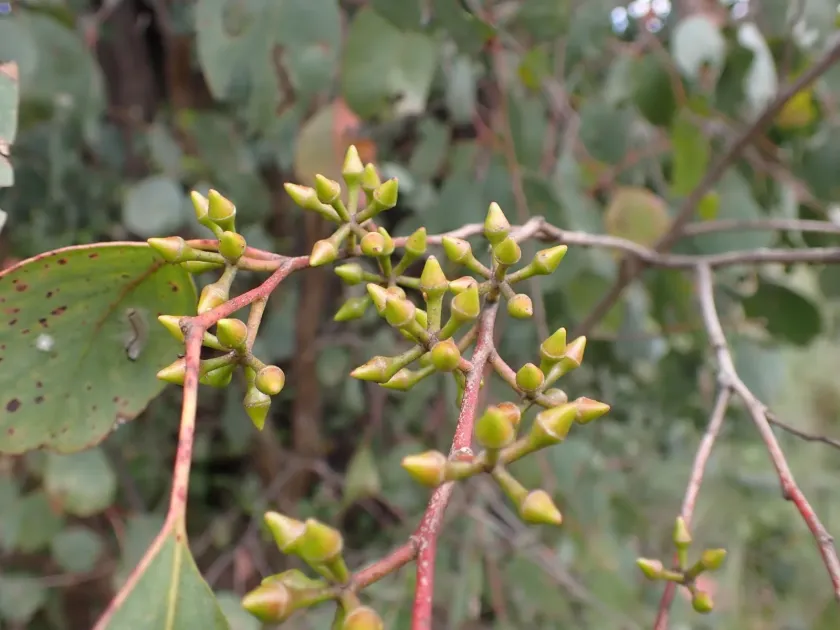
Description
Sowing dates
Sowing Eucalyptus camphora requires precision due to the small size of the seeds. The ideal time for sowing is early spring, ensuring the seedlings have enough time to establish before the onset of extreme weather.
The growing medium should be a mixture of peat, sand, and high-quality potting soil to ensure excellent drainage. Seeds are scattered on the surface and lightly covered with vermiculite to maintain moisture.
Maintaining a consistent temperature, typically between 20°C and 25°C, is crucial for successful germination. Using a heat mat can significantly enhance the germination rate in cooler environments.
Once seedlings reach a height of 5 to 10 centimeters, they should be transplanted into individual containers. This prevents root entanglement and allows for better nutrient distribution during the early growth stages.
Hardening off the seedlings before moving them to their permanent location is essential. Gradually introducing them to outdoor conditions over a week helps them adapt to wind, sun, and temperature fluctuations.
Growing requirements
As a member of the Myrtaceae family, Eucalyptus camphora thrives in full sun exposure. It is a light-demanding species that requires a minimum of six to eight hours of direct sunlight per day to maintain healthy growth.
The plant prefers well-draining, slightly acidic to neutral soils. While it can tolerate various soil textures, it thrives best in deep, loam-based substrates that hold moisture without becoming waterlogged.
Watering should be consistent but not excessive. The plant demonstrates moderate drought tolerance once established, but young saplings require regular irrigation to support their rapid development.
Eucalyptus camphora is sensitive to frost and extreme cold. In temperate climates, it is often grown as an ornamental container plant that must be moved indoors during winter months to prevent cold damage.
Fertilization with a balanced, slow-release fertilizer during the growing season supports the development of foliage and strengthens the stem. Nitrogen-rich feeds are particularly effective for encouraging lush growth.
Yield
The yield of Eucalyptus camphora is typically evaluated based on biomass production, essential oil content from the leaves, and timber quality. High-density plantations are often managed for short-rotation forestry.
Essential oils are extracted via steam distillation from the harvested foliage. The harvest timing must coincide with the plant's peak metabolic activity to ensure maximum concentration of bioactive compounds.
Timber yield is determined by the growth rate of the main stem. Proper spacing between trees is critical to allow for optimal trunk diameter development, which enhances the commercial value of the wood.
Sustainability in yield management involves selective harvesting, allowing for natural regeneration or replanting cycles that preserve the soil structure and nutrient levels for future crops.
Productivity improvements are achieved through the selection of superior genotypes that show increased resistance to regional pests and higher yields of leaf extract for pharmaceutical applications.
Main diseases and pests
Fungal diseases are common in humid environments, often manifesting as leaf spots or powdery mildew. Improving air circulation around the plants is one of the most effective ways to mitigate these risks.
Insects such as psyllids and various leaf-eating beetles can cause significant damage to young shoots. Integrated pest management strategies, including the use of beneficial insects, are recommended for large-scale operations.
Root rot is a major threat linked to poor soil drainage. Ensuring that the site is well-drained and avoiding over-irrigation are primary cultural practices to prevent the decline of the root system.
Environmental stress, such as extreme drought followed by sudden flooding, can weaken the plant's natural defense mechanisms. Maintaining a stable growing environment is key to keeping the eucalyptus healthy.
- Implement regular scouting to detect pests at the early stage of infestation.
- Apply systemic fungicides only when necessary to prevent resistant pathogen strains.
- Maintain proper plant spacing to ensure adequate light penetration and airflow.