
Camfield's Stringybark
Eucalyptus camfieldii
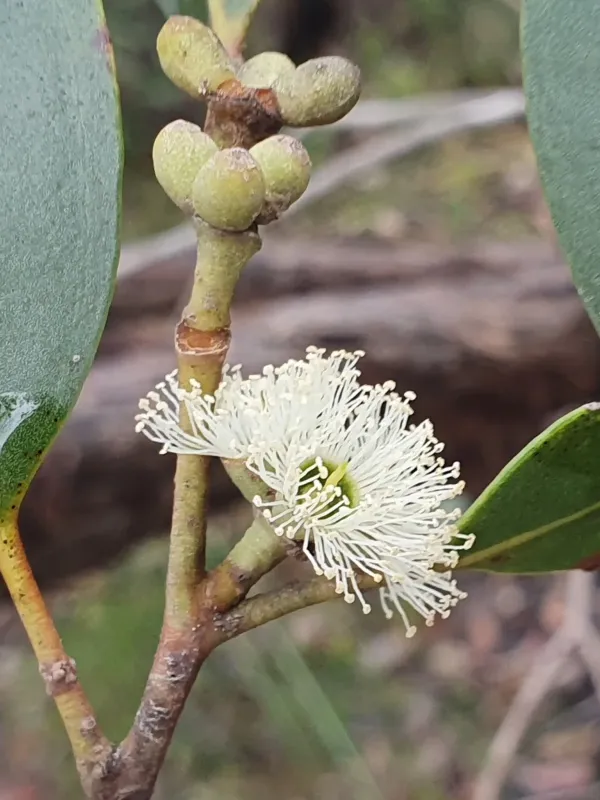
Description
Growing requirements
Eucalyptus camfieldii, commonly known as Camfield's Stringybark, is a small to medium-sized tree belonging to the Myrtaceae family. It is native to the coastal regions of New South Wales, Australia.
The plant grows naturally in nutrient-poor sandy or rocky soils. For cultivation, it is crucial to mimic these drainage-intensive conditions to ensure healthy root development.
Regarding climate, this species thrives in temperate coastal environments. It requires full sunlight to maintain its characteristic growth habit and avoid etiolation in younger plants.
Agrotechnical management should focus on soil structure. The soil must be well-drained and slightly acidic, as the species is highly sensitive to waterlogged conditions that lead to root rot.
Propagation is typically done through seeds. Seedlings require careful attention to humidity levels to prevent damping-off, a common issue in nursery settings for this eucalyptus variety.
Main diseases and pests
The most significant threat to the survival of this species is the pathogen Phytophthora cinnamomi. This soil-borne fungus can destroy root systems, making drainage essential.
Insects such as leaf-eating beetles can cause significant damage to the foliage of young specimens, leading to stunted growth and reduced vigor during the initial development phases.
Fungal leaf spots can occur when the plant is exposed to poor ventilation or high humidity levels. Regular inspection is necessary to manage these outbreaks before they affect the entire canopy.
Competition from fast-growing invasive weeds is a major threat during the establishment period. Mulching and mechanical weeding around the base are necessary to protect the plant.
Environmental stress, such as extreme drought combined with high temperatures, can weaken the tree's natural resistance, making it more susceptible to secondary pest colonization.