
Eucalyptus cambageana
Eucalyptus cambageana
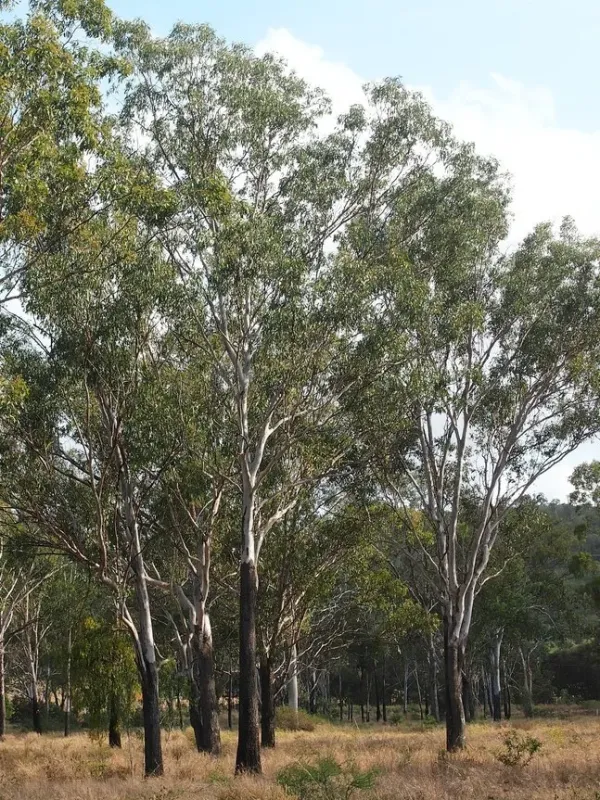
Description
Growing requirements
Eucalyptus cambageana, commonly known as the black bunchy, is a member of the Myrtaceae family. It is a large evergreen tree recognized for its robust growth and impressive height in native forest stands.
The species is native to Queensland, Australia, where it thrives in tropical and subtropical regions. It is well-adapted to environments that experience distinct seasonal dryness and periodic heatwaves.
Regarding soil requirements, this tree prefers heavy clay soils. These soils are often nutrient-rich and possess high water-holding capacity, which is essential for the tree's survival during dry spells.
Cultivation practices necessitate full sun exposure. As a light-demanding species, Eucalyptus cambageana requires adequate spacing between individuals to prevent competition for light and to ensure the proper formation of its canopy.
The tree exhibits notable tolerance to saline soils and drought, making it an excellent candidate for reforestation efforts on degraded lands where other tree species struggle to establish.
Yield
The primary agricultural use of Eucalyptus cambageana is the production of high-density, durable timber. This wood is highly valued for its strength, dark color, and resistance to environmental decay.
Typical applications include heavy-duty construction, railway sleepers, fence posts, and flooring. Its natural durability makes it a preferred material for outdoor infrastructure that requires longevity.
Beyond timber, the species plays a significant role in beekeeping. It is an important honey-producing tree, offering nectar that contributes to the unique flavor profile of Australian eucalyptus honey.
The total biomass yield of the tree is significant, and its growth rate is relatively stable even under suboptimal nutritional conditions, providing consistent returns for forestry operations.
Forest management strategies focus on thinning and selective harvesting to maximize the quality of logs, ensuring that the timber meets international standards for industrial use.
Main diseases and pests
Young plants are susceptible to insect attacks, particularly by leaf beetles and weevils that feed on foliage, which can cause stunted growth if infestations are not monitored early in the cycle.
Fungal pathogens represent a major risk, especially in environments with stagnant air or excessive moisture, leading to bark rot and root infections that can compromise the structural integrity of the wood.
Effective management includes maintaining proper plantation density to allow for optimal air circulation, which helps prevent the development and spread of fungal diseases among tree stands.
In arid regions, termites can be a persistent threat to mature trees. Root zone management and the application of integrated pest management practices are essential to protecting the tree's base.
Regular monitoring and rapid identification of localized pest outbreaks are crucial to maintaining the health of the entire plantation and ensuring the sustained commercial value of the crop.