
Burgess's Eucalyptus
Eucalyptus burgessiana
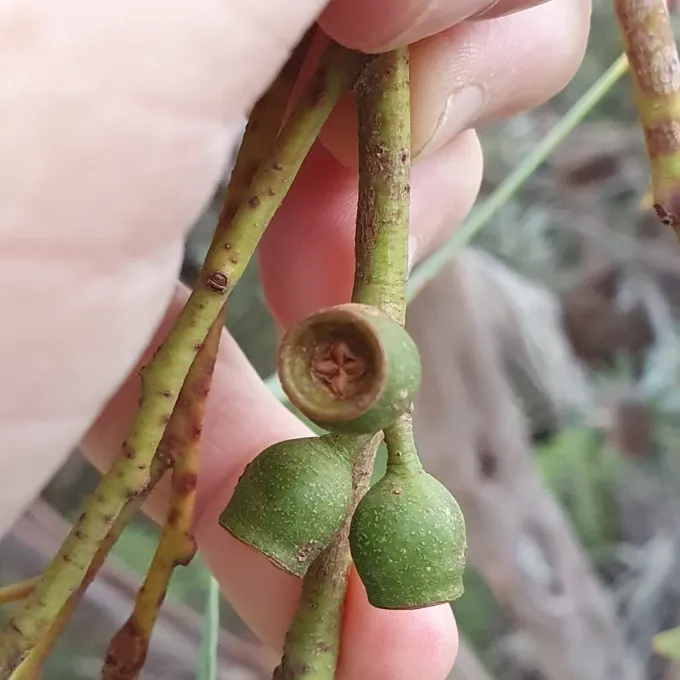
Description
Growing requirements
Eucalyptus burgessiana is a distinct member of the Myrtaceae family, known for its restricted natural occurrence in the New South Wales region of Australia.
Botanically, it appears as a mallee or small tree, which is a characteristic adaptation to the harsh, rocky soil conditions of its native high-altitude habitat.
Cultivation requires full sun exposure and well-drained, acidic soil; it is essential to prevent waterlogging to ensure the longevity and health of the root system.
The plant thrives in climates that mimic its native environment, showing significant resilience to dry conditions but requiring protection from severe frost during its juvenile stage.
In terms of agricultural and horticultural utility, this species is primarily valued for its botanical rarity and its contribution to xeriscaping and ornamental collections.
Main diseases and pests
The species is susceptible to various leaf spot fungi, especially in humid environments where air circulation around the foliage is restricted or insufficient.
Pest pressure often comes from leaf-feeding insects, such as beetles and caterpillars, which can cause significant damage to new growth during the active growing season.
In nursery or greenhouse settings, scale insects and mealybugs can pose a threat, requiring integrated pest management strategies to maintain plant vigor.
Root rot is a critical risk factor, typically exacerbated by poor soil drainage or excessive irrigation cycles that do not allow the substrate to dry out properly.
Maintaining a clean growing area and performing regular inspections are the best practices for minimizing the impact of potential pathogens on the tree's health.