
Eucalyptus bosistoana
Eucalyptus bosistoana
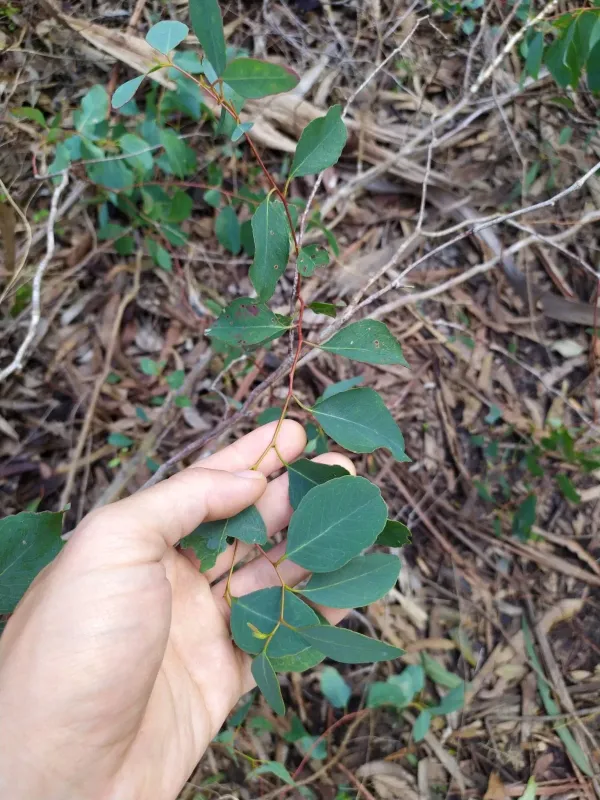
Description
Sowing dates
The propagation of Eucalyptus bosistoana, a member of the Myrtaceae family, typically begins with seed sowing in controlled nursery environments during late winter or early spring. Seeds generally exhibit high germination rates under consistent temperatures around 20–22 degrees Celsius.
While natural regeneration occurs in its native range of south-eastern Australia, commercial cultivation relies on container-grown seedlings. This method ensures that the root system remains undisturbed during transplantation, improving survival rates in the field.
Outplanting is best conducted after the risk of spring frosts has passed and the soil has warmed up. Adequate soil moisture at the time of planting is crucial for the successful establishment of young trees in their final location.
Planting density is determined by the intended final product; higher spacing is usually preferred for high-quality sawlogs, allowing each tree to develop a straight and robust bole without excessive competition for light.
Mulching around the base of the seedlings during the first year is highly recommended. This practice retains soil moisture and effectively suppresses weed competition, which can otherwise impede the growth of young eucalyptus trees.
Growing requirements
Eucalyptus bosistoana thrives in deep, fertile loamy soils but shows adaptability to various soil types, including those with limestone content. Proper drainage is essential, as the species does not tolerate waterlogged conditions that cause root hypoxia.
The tree is considered moderately frost-hardy and performs optimally in subtropical climates characterized by mild winters and consistent annual rainfall. It is well-suited for regions that experience a balanced seasonal climate.
As a light-demanding species, Eucalyptus bosistoana requires full sun exposure to reach its genetic potential. Sufficient solar radiation is the primary driver for its rapid vertical growth and the formation of a high-quality timber bole.
Once the root system has matured, the trees exhibit significant drought tolerance. This trait makes the species suitable for reforestation projects in areas where irrigation may be difficult to implement after the initial establishment phase.
Optimal growth performance is achieved when soil nutrient levels are managed. The application of balanced fertilizers during the early stages of growth significantly enhances the rate of biomass accumulation and tree resilience.
Yield
The primary yield from Eucalyptus bosistoana is its high-density timber, which is highly regarded for its strength, hardness, and durability. It serves as a premium resource for the forestry industry worldwide.
Key applications for the wood include the production of utility poles, railway sleepers, and heavy-duty structural beams. The wood's natural resistance to decay makes it an ideal candidate for outdoor and structural engineering projects.
The furniture industry also utilizes this timber to manufacture high-end, wear-resistant pieces. Its fine texture and excellent finishing properties allow for long-lasting products that retain their aesthetic value over many years.
Plantation productivity is cumulative, with harvest cycles often spanning several decades. Modern forest management practices help optimize timber recovery rates, ensuring a sustainable supply of wood for various industrial sectors.
Beyond timber production, Eucalyptus bosistoana plantations provide essential ecosystem services, including carbon sequestration and the maintenance of soil structure, contributing to broader environmental restoration goals.
Main diseases and pests
Leaf-eating insects, such as various species of chrysomelid beetles, pose a significant threat to young plantations. These pests can cause extensive defoliation, leading to reduced photosynthetic capacity and stunted tree growth.
Fungal pathogens associated with high humidity or poor air circulation may affect the health of the trees, manifesting as leaf spots or branch dieback. Ensuring proper spacing and site drainage is the primary defense against these issues.
Phytophthora root rot is a serious concern, particularly in nursery settings. Maintaining strict sanitation protocols and using disease-free planting material are critical steps to prevent the spread of soil-borne pathogens.
Local wildlife, including rodents and larger grazing animals, can damage young seedlings. Protective measures such as fencing or tree guards are often necessary in newly established areas to prevent browsing and mechanical damage.
The high content of volatile essential oils in eucalyptus foliage makes plantations susceptible to wildfires, especially during dry seasons. Establishing firebreaks and implementing wildfire detection systems are essential management practices.