
Eucalyptus bicostata
Eucalyptus bicostata
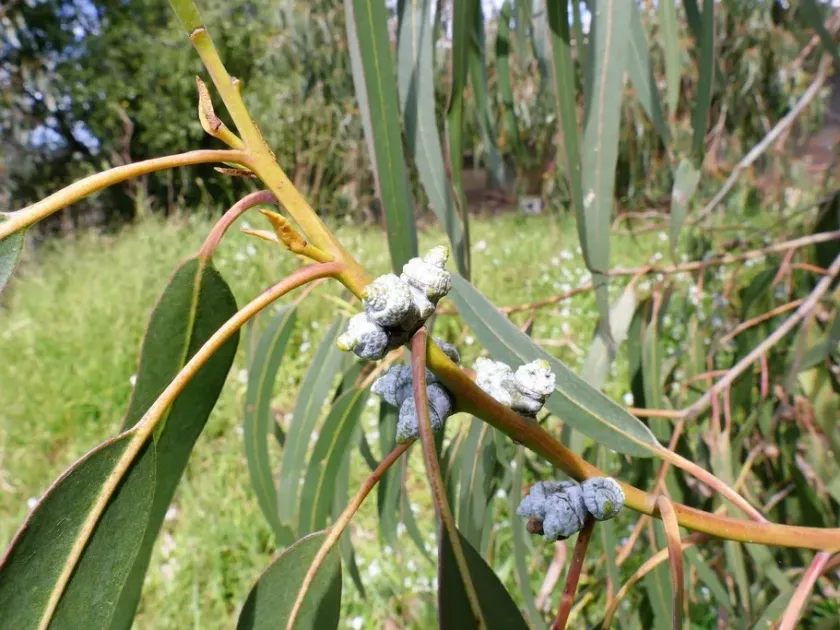
Description
Growing requirements
Eucalyptus bicostata, commonly known as the southern blue gum, is a vigorous tree belonging to the Myrtaceae family. It is characterized by its tall, straight trunk and distinctive, long, grey-green leaves that produce fragrant essential oils.
Native to southeastern Australia, this species thrives in temperate climates. It is highly valued in forestry for its rapid growth rate, which allows for shorter rotation cycles in commercial wood production compared to other hardwood species.
The tree prefers deep, well-drained soils with a slightly acidic to neutral pH level. It shows moderate tolerance to frost, making it suitable for specific Mediterranean-type climates, but it performs best when protected from extreme, prolonged cold snaps.
Agronomic management involves site preparation and planting density control. During the establishment phase, ensuring access to sufficient sunlight is critical, as the species is intolerant to heavy shading from competing vegetation.
Beyond timber, the species is cultivated for its biomass potential and essential oil extraction. The timber produced is hard and durable, finding extensive applications in furniture manufacturing, flooring, and general heavy-duty construction.
Main diseases and pests
The main pathological threats include fungal infections such as root rot and various leaf spot pathogens. These diseases are usually associated with poor drainage or stagnant water conditions, emphasizing the importance of site selection.
Pest management focuses on controlling leaf-eating insects, such as chrysomelid beetles, which can significantly reduce the photosynthetic capacity of young trees. Regular monitoring and targeted management are essential to maintain high plantation yields.