
Brown stringybark
Eucalyptus baxteri
Description
Growing requirements
Eucalyptus baxteri, commonly known as brown stringybark, is a significant evergreen tree belonging to the Myrtaceae family. Native to southeastern Australia, this species is well-regarded for its adaptability to various landscape conditions.
The tree thrives in cool to temperate climates and prefers regions with reliable rainfall. It is notably resilient to poor, acidic, and rocky soil types, making it a robust choice for reforestation projects in its natural range.
Cultivation requires well-drained soils to prevent root rot and ensure healthy growth cycles. While it is tolerant of light frost, it prefers environments where extreme climatic shifts are avoided during the active growth phases.
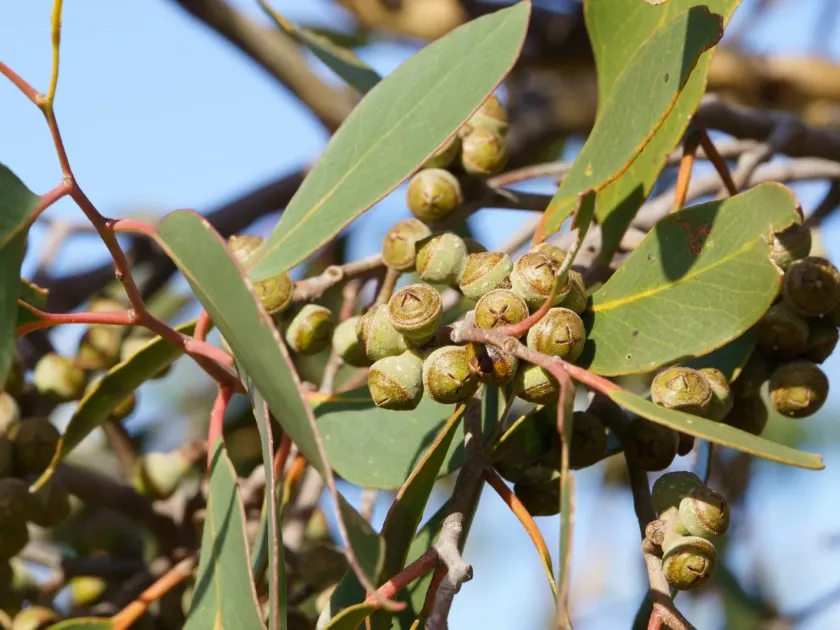
Botanically, it is defined by its thick, fibrous bark that peels in long strips, and its thick, leathery, dark green leaves. The tree produces clusters of white flowers that are highly attractive to local pollinators.
The economic value of this species lies in its durable, high-density timber, which is often used for heavy construction, decking, and fencing. Additionally, its foliage serves as a source for essential oil production.
Main diseases and pests
Root rot caused by Phytophthora species represents the primary threat to the health of Eucalyptus baxteri, particularly in poorly drained or waterlogged soils. Proper drainage management is critical.
Leaf-eating insects, including chrysomelid beetles, can pose a risk to young plantations by stripping foliage, which significantly stunts the development of the tree canopy.
Nematode infestations in the soil can impede root nutrient absorption, leading to gradual decline in overall stand vigor if left unchecked by integrated pest management.
Fungal leaf spots may occur during periods of prolonged high humidity, requiring careful observation and potential intervention to maintain tree vitality.
Maintaining proper tree spacing is an essential agricultural practice to ensure adequate airflow and light penetration, effectively reducing the pressure from most common pests and diseases.