
Eucalyptus baueriana
Eucalyptus baueriana
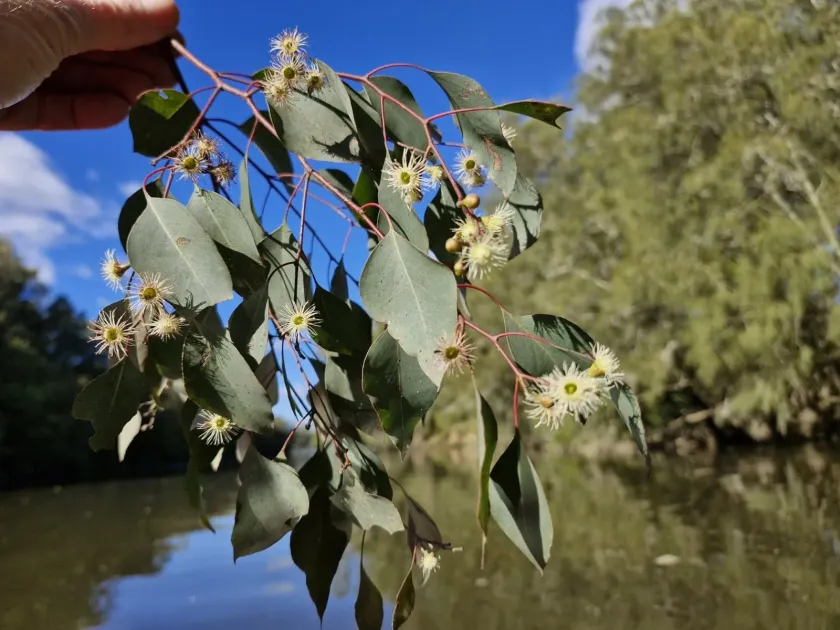
Description
Sowing dates
Sowing seeds of Eucalyptus baueriana is typically performed in early spring, ensuring that soil temperatures remain consistently above 15 degrees Celsius for optimal germination.
The seeds require stratification to break dormancy and ensure high vigor, a standard procedure for successful nursery production of this species.
Containerized propagation is the preferred method, allowing for controlled growth and protecting the delicate root systems of seedlings before they are transplanted to the field.
Seeds should be sown on the surface and only lightly covered with a fine substrate, as they require light to trigger the germination process effectively.
Consistent moisture management is crucial during the early stages, as over-saturation can quickly lead to damping-off disease in young eucalypt seedlings.
Growing requirements
Eucalyptus baueriana, belonging to the Myrtaceae family, is a distinct evergreen tree native to the southeastern regions of Australia, adapted to temperate climates.
The species demands full sun exposure to maintain its healthy form; shaded areas often lead to thin, elongated growth and a loss of aesthetic vigor.
Well-drained soil types, particularly loamy or sandy compositions with a slightly acidic to neutral pH, are ideal for establishing strong root systems.
While the tree shows resilience to dry spells once mature, it performs best in regions where moisture is available throughout the growing season without waterlogging.
The tree exhibits moderate cold tolerance, though protection from prolonged frost and heavy snow accumulation is necessary in the early years of development.
Yield
The primary economic value of Eucalyptus baueriana lies in its dense, durable wood, which is sought after for high-quality timber and industrial woodworking.
The leaves are significant sources of bioactive compounds and essential oils, making them highly valuable for the pharmaceutical and fragrance industries.
Yields are optimized through strategic spacing and consistent pruning, which encourages straight stem growth and promotes healthy biomass production.
As a fast-growing species, it provides a renewable source of biomass for the pulp and paper industry when managed under a strict rotation cycle.
The tree also serves ecological functions, including windbreak formation and soil stabilization in reforestation projects across appropriate climatic zones.
Main diseases and pests
Common threats include fungal pathogens such as leaf spot and root rot, particularly in areas with poor drainage and high humidity levels during the summer months.
Pests like the eucalyptus longicorn beetle can inflict significant damage on stressed or young trees, reducing the overall vitality of the plantation.
Incorrect irrigation protocols often lead to root vulnerability, making it easier for secondary infections to penetrate and compromise the tree structure.
Preventative measures include maintaining proper orchard sanitation, removing dead wood, and ensuring adequate airflow between individual specimens.
Chemical intervention should be treated as a last resort, with a preference for integrated pest management strategies to protect environmental integrity.
Harvesting
Harvesting of leaf foliage for essential oil production is conducted during peak metabolic activity to maximize the yield of volatile organic compounds.
Timber harvesting is managed through selective logging techniques, ensuring that the surrounding ecosystem remains balanced and the stand continues to regenerate.
Once harvested, the plant material must be processed promptly to prevent the degradation of active ingredients and to preserve the quality of the derived extracts.
Logistics for harvesting should focus on minimizing mechanical damage to the remaining trees, which is essential for sustainable long-term plantation management.
Successful collection requires strict compliance with drying and storage standards to prevent spoilage and ensure the highest possible quality of the raw material.