
Eucalyptus barberi
Eucalyptus barberi
Description
Growing requirements
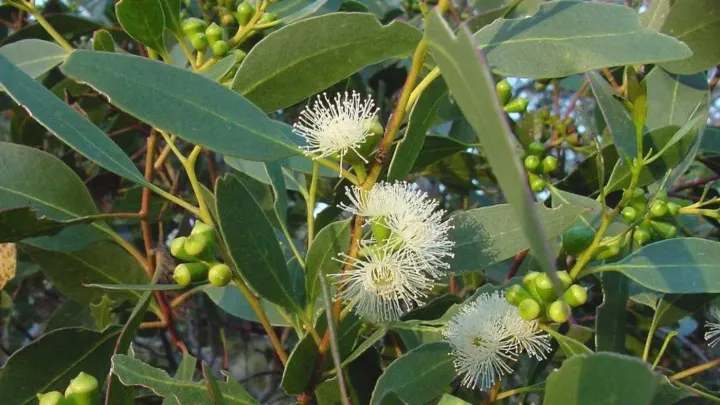
Eucalyptus barberi, commonly known as Barber's gum, is a small tree species belonging to the Myrtaceae family. It is endemic to the eastern coast of Tasmania, where it has adapted to harsh environmental conditions.
This species thrives in well-drained, sandy, or rocky soils. It is naturally equipped to handle nutrient-poor substrates, which makes it a resilient plant for challenging landscapes where other trees might struggle to survive.
In terms of light, Eucalyptus barberi requires full sun exposure to maintain its compact growth habit. It cannot tolerate shade, as restricted light leads to etiolation and significantly reduces the plant's overall vigor.
Climate requirements for this plant are centered around a mild, temperate maritime influence. While it displays moderate frost tolerance, it is not well-suited for regions experiencing extreme temperature fluctuations.
Agricultural practices for this culture involve minimizing soil disturbance and ensuring that seedlings are established with proper irrigation during their first year of growth before they transition to their drought-tolerant mature stage.
Main diseases and pests
The primary threats to Eucalyptus barberi include infestation by leaf-eating insects, such as beetles and sawflies. These pests can cause significant damage to the canopy if not managed during the active growth season.
Fungal pathogens represent a constant challenge, particularly in humid environments where air circulation is poor. Leaf spot diseases are common when trees are planted too closely together or in areas prone to stagnant air.
Root system health is vital; poor drainage often leads to phytophthora root rot, which is a debilitating condition for many Eucalyptus species. Maintaining a proper soil moisture balance is the most effective preventative strategy.
Mammalian herbivores, especially during the early sapling stage, can cause irreversible damage by debarking the trunk. Protective physical barriers are often necessary in environments where wildlife pressure is high.
Regular monitoring for signs of stress, such as yellowing leaves or stunted development, is essential for professional foresters and nursery managers to intervene before the health of the tree is compromised.