
Bailey's Stringybark
Eucalyptus baileyana
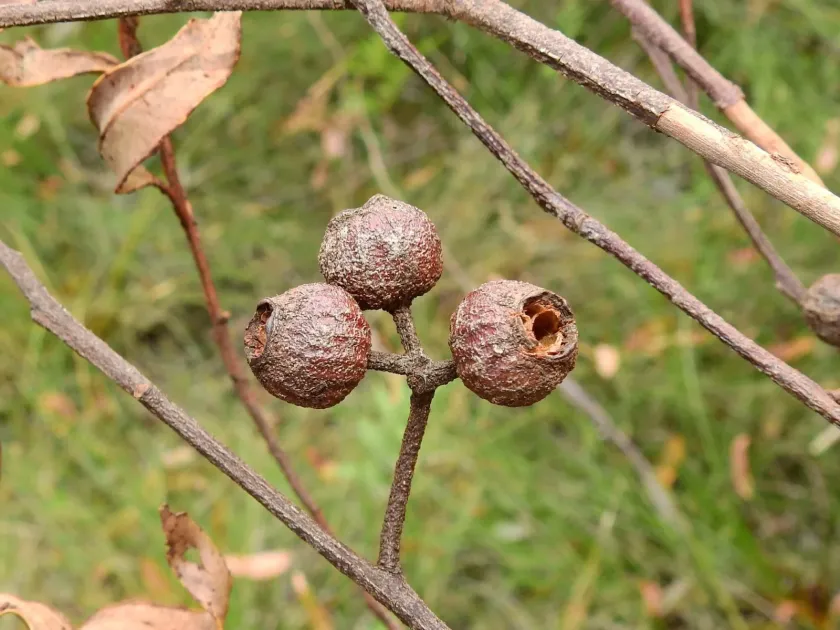
Description
Growing requirements
Eucalyptus baileyana, commonly known as Bailey's Stringybark, is a prominent species within the Myrtaceae family. It is recognized for its fibrous bark and its potential to grow into a large, sturdy tree, often found in the coastal forests of eastern Australia.
The species thrives in subtropical environments, preferring well-drained, sandy or gravelly soils. It exhibits high adaptability to nutrient-poor soils, which makes it a resilient choice for reforestation projects in specific geographic areas with compatible climate profiles.
Optimal growth requires full sun exposure and moderate rainfall. While it can withstand mild frost, the species is best suited for climates without severe, prolonged winter temperatures. Proper site selection is crucial to ensure long-term vitality and wood quality.
Agricultural management of Eucalyptus baileyana involves site preparation including subsoiling to encourage deep root penetration. During the establishment phase, weed control is essential to minimize competition for moisture and soil nutrients until the canopy closes.
The wood of Bailey's Stringybark is highly valued for its durability, hardness, and resistance to decay. It is widely used for heavy construction, utility poles, sleepers, and flooring, providing a sustainable source of high-quality timber for commercial forestry operations.
Main diseases and pests
Leaf-eating insects, such as chrysomelid beetles, are among the primary threats to Eucalyptus baileyana plantations. Heavy infestations can lead to significant defoliation, which hampers the tree's energy production and overall growth rate.
Fungal pathogens causing leaf spots and blight can become problematic in humid conditions. Managing stand density is an effective agronomic practice to improve ventilation and reduce the prevalence of these moisture-loving fungal diseases.
Root rot caused by soil-borne pathogens represents a risk in waterlogged areas. Maintaining proper drainage through land contouring or infrastructure planning is vital to keep the root systems healthy and vigorous throughout the plantation cycle.
Stem borers pose a risk by damaging the internal structure of the wood, which diminishes the economic value of the harvested timber. Integrated pest management strategies, including monitoring and biological controls, are recommended for large-scale production.
Fire risk must be managed, especially in young stands, by maintaining firebreaks and controlling understory growth. Although the bark provides some natural protection, severe wildfire events can still jeopardize the productivity and safety of the timber crop.