
Argyle apple (Eucalyptus argophloia)
Eucalyptus argophloia
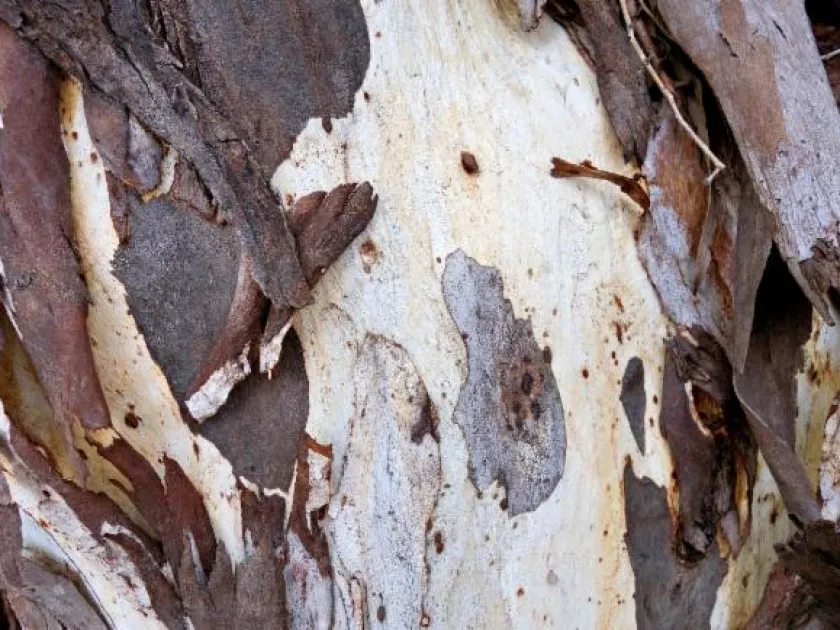
Description
Growing requirements
Eucalyptus argophloia is a distinctive species within the Myrtaceae family, native to a restricted geographical area in Queensland, Australia, where it exhibits unique growth habits.
This species requires a stable subtropical climate, favoring regions with consistent sunlight and avoiding zones prone to severe, prolonged frosts during the establishment phase.
Regarding soil preferences, it is noted for its adaptability to heavy clay soils as well as more loamy substrates, provided that the drainage remains adequate for root health.
Optimal growth performance is achieved when the soil pH is maintained within a neutral to slightly acidic range, which facilitates better nutrient uptake in these specific environmental conditions.
In silvicultural practices, ensuring appropriate spacing between individual trees is crucial to manage competition for light and moisture, thus maximizing the vitality of the plantation.
Yield
The primary economic focus for Eucalyptus argophloia is timber production, as the wood is recognized for its density, durability, and suitability for high-end construction and furniture manufacturing.
In addition to timber, the species is frequently utilized in ecological restoration projects, serving as a primary candidate for reforestation due to its rapid growth rate in favorable environments.
The biomass generated from managed forests provides a renewable source of wood fiber, contributing to sustainable industrial practices and reduced pressure on natural primary forests.
Leaf extracts from this species may also hold value in specialized chemical processing, offering further potential for diversifying the economic output of large-scale plantations.
Strategic management of plantation rotations allows for a sustainable supply of wood products, ensuring that the growth and harvest cycles are balanced to maintain long-term site productivity.
Main diseases and pests
Pathogen risks include various fungal diseases that thrive in high-humidity environments, potentially affecting the foliage and leading to premature leaf drop or weakened stem structure.
Insects, particularly those that feed on leaf tissue or bore into the bark, represent a significant management challenge that can drastically reduce the overall timber quality if left unchecked.
Weed management is a critical component of early-stage agronomy, as invasive grasses and shrubs compete aggressively for water and nutrients, often stunting the development of young seedlings.
Effective pest control strategies often involve the use of integrated pest management (IPM) to minimize the reliance on chemical inputs while maintaining the health of the surrounding ecosystem.
Proactive monitoring of the plantation for symptoms of stress or pathogen presence is essential for preventing localized outbreaks from escalating into systemic health issues across the crop.