
Archer's Eucalyptus
Eucalyptus archeri
Description
Sowing dates
Sowing Archer's Eucalyptus seeds is best performed in early spring within a controlled nursery environment. The seeds should be sown on the surface of a fine, well-draining peat-based medium, as they require light for optimal germination success.
Maintaining a consistent temperature between 18 and 22 degrees Celsius is essential for uniform emergence. Covering the seed trays with clear plastic or a glass pane helps to preserve surface humidity without waterlogging the fragile emerging sprouts.
Once the seedlings reach a height of approximately 5 centimeters, they are typically pricked out into individual pots. Using containers with adequate drainage holes is crucial to prevent damping-off diseases, which can rapidly decimate young eucalyptus populations.
Hardening off the young plants is a vital step before transplanting into the garden. This process involves gradually exposing the plants to outdoor conditions over several weeks to improve their physiological resistance to environmental stress.
Successful establishment in the field depends on planting after the last frost risk has passed. Young trees require careful handling of the root ball to ensure they do not suffer transplant shock during the transition to permanent soil.
Growing requirements
Eucalyptus archeri, belonging to the Myrtaceae family, is renowned for its exceptional cold hardiness, originating from the high altitudes of Tasmania. This species can endure freezing temperatures, making it a popular choice for temperate garden landscapes.
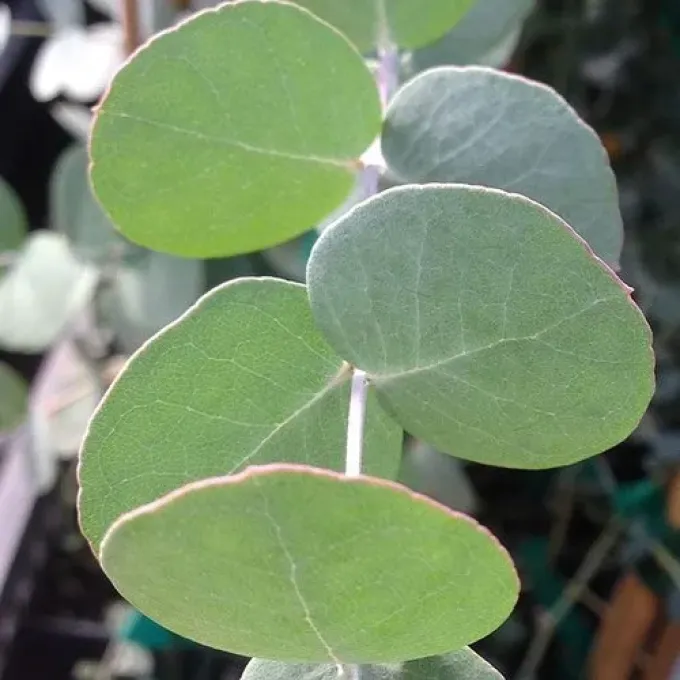
The plant thrives in full sun exposure, which is necessary for developing its characteristic glaucous blue-green foliage and maintaining a dense, healthy structure. Partial shade may lead to stunted growth and a loss of the plant's natural aesthetic appeal.
Regarding soil preferences, this eucalyptus is highly adaptable but excels in well-draining, slightly acidic soils. It is critical to avoid waterlogged sites, as root aeration is a limiting factor for the survival of this species during winter months.
Watering requirements are relatively low once the plant is established. However, during the first growing season, consistent moisture is required to facilitate root development. Established trees display significant drought tolerance due to their deep root systems.
While the tree is hardy, protection from heavy snow loads and high-speed, drying winds is beneficial in extreme climates. Mulching the base of the plant helps retain soil moisture in summer and protects roots from severe cold during winter.
Main diseases and pests
Fungal pathogens are the primary threat, particularly in poorly drained environments where moisture promotes root decay. Maintaining proper soil structure and ensuring airflow around the tree canopy significantly reduces the risk of infection.
Leaf-eating insects, such as beetles and larvae, can pose problems during the vigorous growth phase. Monitoring the foliage for signs of defoliation allows for targeted and effective pest management strategies to protect the tree's development.
In sheltered conditions or during prolonged drought, the plant may become susceptible to infestations of sap-sucking pests. These pests can be mitigated by encouraging natural predators or using appropriate horticultural oils when necessary.
Winter injury can occur if the tree is exposed to sudden, drastic temperature drops following a period of unseasonably warm weather. Proper site selection is the best preventative measure against such physiological damage to the bark.
- Ensure drainage is sufficient to prevent Pythium root rot.
- Monitor for scale insects that often hide on the underside of leaves.
- Avoid excessive nitrogen fertilization to prevent overly soft growth susceptible to pests.