
Eucalyptus apiculata
Eucalyptus apiculata
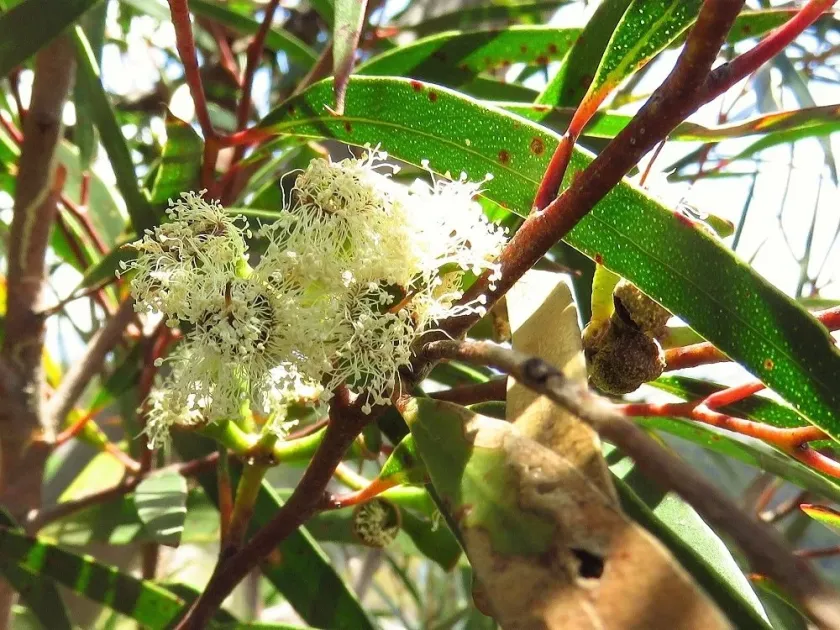
Description
Growing requirements
Eucalyptus apiculata is a distinctive species belonging to the Myrtaceae family, native to restricted areas of New South Wales, Australia. It is characterized by its unique foliage and adaptation to specific sandstone-based rocky outcrops.
The cultivation of this species requires well-drained, nutrient-poor, yet aerated soils. It performs best in Mediterranean-like climates where the exposure to direct sunlight is high and the humidity levels are balanced throughout the growing season.
Botanically, the plant is known for its narrow, pointed leaves, which are the primary source of its scientific name. It typically grows as a small to medium-sized tree, showing resilience in harsh, rocky environments but requiring care during initial establishment phases.
Agronomic management focuses on preventing waterlogging, as the root system of E. apiculata is sensitive to hypoxia. Proper soil preparation and consistent monitoring of soil pH are essential for long-term health and biomass production in managed plantations.
Its primary economic interest lies in the potential extraction of high-quality essential oils and its utility in restoration forestry in suitable environments. Sustainable harvesting practices are recommended to maintain the natural genetic diversity of this specific taxon.
Main diseases and pests
The primary threats include leaf-eating insects, such as leaf beetles, and fungal pathogens that can develop during unseasonably wet conditions. Integrated pest management and ensuring adequate air circulation within the canopy are vital for successful production.