
Eucalyptus andrewsii
Eucalyptus andrewsii
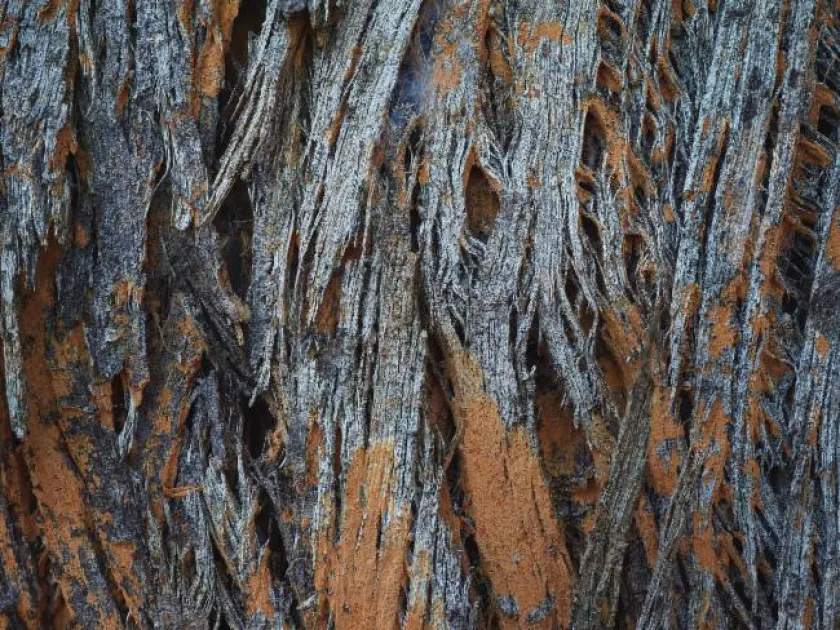
Description
Sowing dates
Sowing of Eucalyptus andrewsii seeds is typically performed in controlled greenhouse or nursery environments. The optimal time for sowing is early spring, when the increasing daylight hours promote germination.
Seeds should be sown in a light, well-drained substrate, ensuring they are not buried too deeply. Germination requires a stable temperature of around 20–22 degrees Celsius and moderate moisture levels.
Once the first true leaves appear, seedlings are transplanted into individual containers. This technique allows the root system to develop robustly before transplanting into the field.
In regions with suitable climates, seedlings are moved to forest plantations only after the threat of frost has passed. Eucalyptus trees are highly sensitive to cold damage in their early growth stages.
Providing consistent irrigation during the first few months after planting is essential for establishment. This stage is critical for ensuring the long-term survival of the crop in its permanent location.
Growing requirements
Eucalyptus andrewsii, a member of the Myrtaceae family, is an evergreen tree capable of reaching significant heights. It is naturally adapted to subtropical climate conditions.
The culture thrives in sunny locations with protection from strong prevailing winds. Eucalyptus trees are extremely light-demanding and do not tolerate shading, which can cause stem deformation.
Soil requirements include deep, loose, and slightly acidic profiles. The plant does not tolerate waterlogging, making the selection of a site with excellent natural drainage mandatory for successful cultivation.
Regarding temperature, Eucalyptus andrewsii is resilient but not frost-hardy. Prolonged periods of freezing temperatures can be fatal for young trees, impacting the overall density of the plantation.
Economic uses for this species include reforestation projects, high-quality timber production, and ornamental landscaping. Eucalyptus is also valued for its capacity to naturally dry out marshy areas.
Main diseases and pests
The primary threats to eucalyptus plantations are fungal diseases that proliferate in high-humidity conditions. Root rot often occurs due to improper irrigation practices and poor soil drainage.
Leaf spot diseases are a common issue in dense plantations. To mitigate these risks, it is essential to maintain optimal planting density and ensure adequate air circulation through the canopy.
Pests such as leaf-eating insects and various weevils can cause significant damage. These pests primarily target young shoots, reducing both the aesthetic value and commercial yield of the crop.
During hot, dry periods, there is a risk of spider mite infestation, particularly if the plant is water-stressed. Regular field inspections are necessary to detect and manage these pests early.
The use of integrated pest management strategies, combining biological controls and targeted chemical treatments, is effective in maintaining the health and productivity of the plantation.