
Eucalyptus amygdalina
Eucalyptus amygdalina
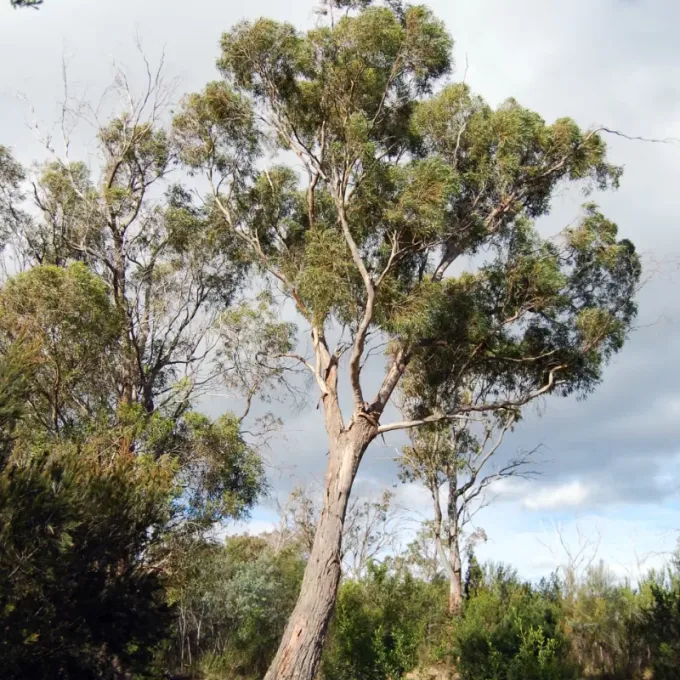
Description
Growing requirements
Eucalyptus amygdalina, commonly known as the black peppermint, is a member of the Myrtaceae family native to Tasmania. This species is highly valued for its aromatic foliage and robust timber characteristics.
The plant thrives in temperate climates with moderate rainfall. It requires well-drained, slightly acidic soils to reach its full growth potential and avoid root system complications.
Adequate sunlight is a primary requirement for the healthy development of this tree. It should be planted in areas where canopy competition is minimal, allowing for optimal photosynthesis.
Agricultural management includes regular soil testing to ensure the presence of vital nutrients. While hardy, the species benefits from consistent moisture levels during the initial establishment phase.
The tree shows a high tolerance for varying terrain, including rocky slopes. Proper spacing is essential to encourage straight trunk formation, which increases the commercial value of the timber.
Yield
The wood harvested from Eucalyptus amygdalina is widely utilized in the construction industry due to its durability. It serves as a reliable material for flooring and structural framing.
The foliage is an excellent source of essential oils, particularly cineole-rich compounds. These extracts are fundamental in the production of pharmaceutical, cosmetic, and cleaning products.
This species is frequently used in land reclamation projects. Its ability to absorb high volumes of groundwater effectively assists in managing swampy or waterlogged agricultural lands.
Fast-growing cycles provide a reliable turnover for biomass production. Forestry operations utilize short-rotation logging to sustain constant supply chains for industrial demand.
The plantation contributes to local biodiversity when managed sustainably. Its role in carbon sequestration makes it an increasingly important crop in modern agroforestry programs.
Main diseases and pests
Pests such as eucalyptus weevils represent a significant threat to leaf health. These insects can cause widespread defoliation if left untreated by professional pest management.
Root rot caused by various soil-borne fungi remains a major risk in waterlogged areas. Maintaining drainage systems is critical for preventing plant mortality.
Fire hazards are exceptionally high in eucalyptus stands due to the volatile oils present in the tree. Firebreaks and preventative clearing are necessary for plantation safety.
Browsing mammals can cause physical damage to young saplings, impeding growth. Protective mesh or fencing is often required during the early stages of plantation development.
Environmental stress, such as frost or prolonged drought, may weaken the tree's immunity. Careful selection of site and climate-appropriate varieties is key to a successful harvest.