
Eucalyptus albida
Eucalyptus albida
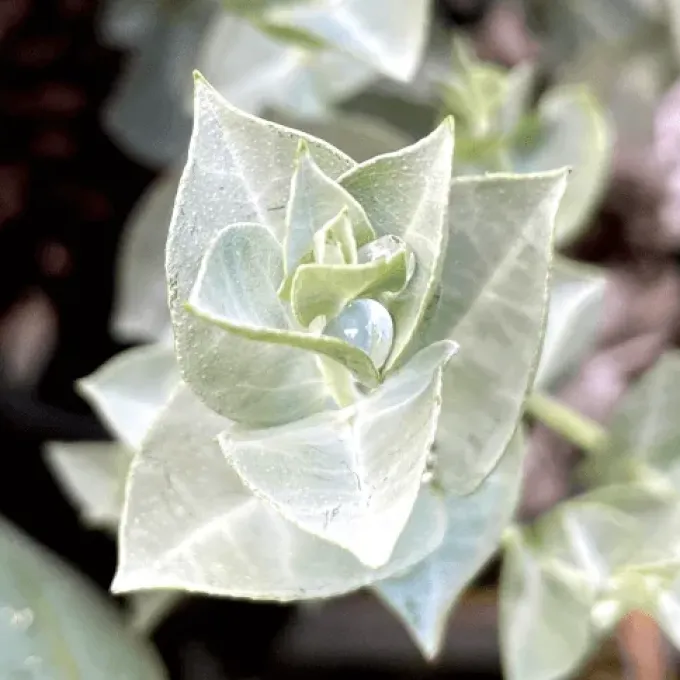
Description
Growing requirements
Eucalyptus albida is a species of the Myrtaceae family native to Western Australia. Known for its distinct foliage, it has gained interest in various agricultural sectors for both its decorative value and oil content.
The crop thrives in well-drained, sandy or loamy soils. It is highly intolerant of waterlogged conditions, which can lead to rapid root rot; therefore, selecting an elevated site for planting is crucial for successful cultivation.
As a light-demanding species, Eucalyptus albida requires full sun exposure to maintain its compact growth habit and proper development. Insufficient light levels often result in weak, elongated stems that lack the species' typical structure.
Climatic requirements focus on mild, subtropical to Mediterranean-like conditions. While the tree can tolerate some minor heat stress, it is not well-adapted to extreme frost or freezing temperatures which can damage delicate foliage.
Agronomic management includes maintaining adequate soil pH, generally preferring slightly acidic to neutral soils. In some cases, light fertilization may be necessary during the establishment phase, provided it does not lead to excessive nitrogen runoff.
Harvesting
Harvesting Eucalyptus albida is primarily centered on the collection of leaves for essential oil extraction. This is typically done through mechanized pruning or harvesting of branches once the tree has reached a mature canopy stage.
Timing the harvest is critical; producers often test for the peak concentration of essential oils in the foliage to ensure maximum yield and quality before initiating the harvest process.
In decorative floral industries, branches are harvested throughout the growing season based on aesthetic requirements, such as leaf color and texture, rather than chemical concentrations.
Post-harvest handling requires quick transportation of the biomass to processing facilities. This minimizes the risk of volatile compound evaporation and maintains the freshness of the botanical material for distillation.
Waste management practices involve chipping the leftover woody biomass. This mulch can be effectively utilized within the plantation to suppress weeds and improve moisture retention in the soil between rows.