
Black Gum
Eucalyptus aggregata
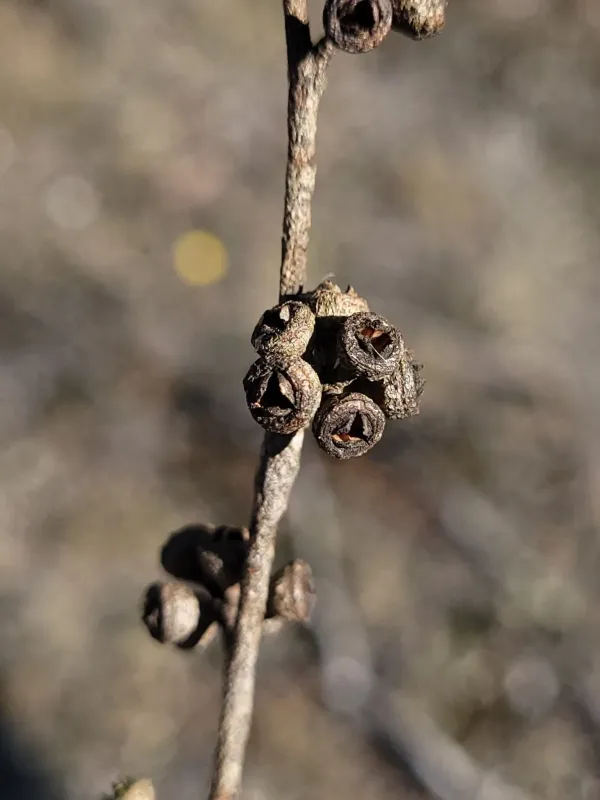
Description
Sowing dates
Propagation of Eucalyptus aggregata is primarily achieved through seed germination in controlled indoor environments. Seeds should be sown in late winter or early spring in a well-draining, sterile potting mix to ensure optimal conditions for early development.
Prior to sowing, it is highly recommended to stratify the seeds at temperatures between 2 and 5 degrees Celsius for several weeks. This mimics natural environmental cycles and significantly improves the overall germination percentage.
Seeds are scattered on the surface and lightly covered with fine soil. Maintaining a constant moisture level using a spray bottle is essential; however, care must be taken not to saturate the soil to avoid the damping-off fungus.
Once the seedlings reach a height of approximately 5-10 cm, they should be transplanted into individual pots. This step allows the root system to establish without competing for space and nutrients with other seedlings.
Acclimatization to outdoor conditions is a crucial stage before final planting. The young trees should be gradually exposed to direct sunlight and ambient temperatures over a period of at least two weeks.
Growing requirements
As a member of the Myrtaceae family, Eucalyptus aggregata is notably distinct for its preference for wet and poorly drained soils. This characteristic makes it a valuable species for planting in boggy areas or along stream banks where other trees might struggle.
The tree thrives in full sun exposure. While it is more cold-hardy than many other eucalyptus species, it still requires protection from harsh, desiccating winds that can damage its distinctive foliage during the colder months.
Soil composition should ideally be loamy with a slightly acidic to neutral pH level. If the site soil is heavy or lacks nutrients, amending the planting hole with organic compost will promote vigorous growth and establishment.
Water requirements for this species are relatively high compared to other eucalyptus. Consistent moisture levels in the root zone are necessary, particularly during the first few years as the tree develops its deeper root structure.
Regular monitoring of the environment is necessary to ensure the tree is not subjected to severe frosts. In regions where temperatures drop significantly below freezing for extended periods, the tree may require protective wrapping or relocation.
Main diseases and pests
Root rot is the most common threat to Eucalyptus aggregata, particularly in areas where water stagnation is accompanied by high humidity. Ensuring proper soil aeration around the root zone is the best preventative measure.
Sap-sucking insects, such as aphids and scale insects, frequently pose problems for young specimens. These pests weaken the plant by extracting fluids from stems and developing leaves, which often leads to stunted growth.
Leaf-eating beetles can cause significant defoliation if left unchecked. Early detection through regular visual inspections allows for prompt treatment with appropriate insecticides, preserving the overall health and aesthetics of the tree.
Fungal leaf spots can occur when the canopy is too dense or when air circulation is restricted. Pruning branches to improve airflow is an essential management practice that helps reduce the risk of disease spread within the canopy.
Maintaining a healthy, stress-free tree is the best defense against pests and diseases. Providing adequate fertilization and avoiding mechanical damage to the trunk during maintenance activities prevents secondary infections from taking hold.