
White mahogany
Eucalyptus acmenoides
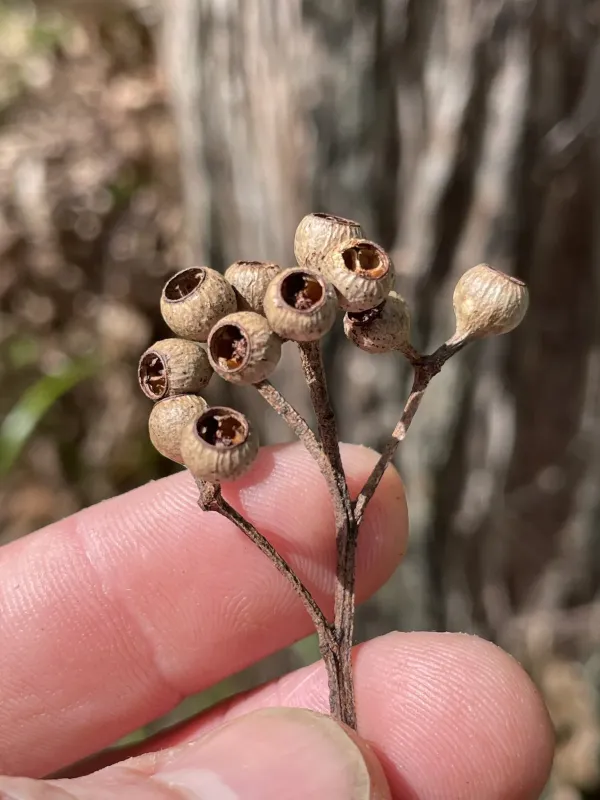
Description
Growing requirements
Eucalyptus acmenoides, commonly known as white mahogany, is a tall, hardy evergreen tree belonging to the Myrtaceae family. It is native to the coastal regions of eastern Australia, where it plays a significant role in local forest ecosystems.
The species typically thrives in moist to dry sclerophyll forests. It prefers deep, well-drained loamy soils and is generally found on slopes and alluvial plains where moisture availability remains relatively stable throughout the year.
Botanically, it is distinguished by its fibrous, persistent bark and its lance-shaped leaves that are rich in essential oils. These oils provide natural defense mechanisms, and the wood itself is highly regarded for its durability and resistance to termites and rot.
Climatic requirements for successful cultivation include a preference for warm, temperate to subtropical conditions. It requires consistent rainfall and protection from severe frosts, which can damage the canopy and inhibit healthy growth cycles.
Economically, E. acmenoides is a valuable forestry crop. Its timber is dense and heavy, making it an ideal choice for heavy-duty structural engineering, high-quality flooring, furniture manufacturing, and outdoor construction projects such as decking and sleepers.
Main diseases and pests
The primary threats to this species include leaf-eating insects, such as chrysomelid beetles, which can cause significant defoliation in young plantations if not managed through integrated pest control strategies.
Pathogenic fungi can also pose a risk to the health of the trees, particularly in areas with poor airflow or stagnant water, leading to symptoms like root rot or leaf spot diseases.
Harvesting
The harvesting of white mahogany occurs after several decades of growth, as the trees reach a harvestable girth. Sustainable harvesting practices are essential to ensure the longevity of the timber supply.