
Eucalyptus acies
Eucalyptus acies
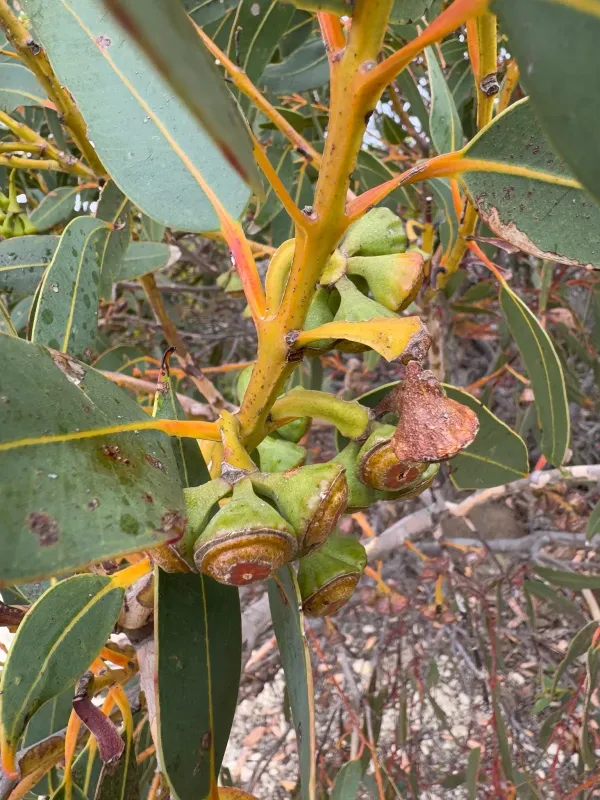
Description
Growing requirements
Eucalyptus acies is a woody plant species belonging to the Myrtaceae family. It is a hardy evergreen tree that naturally originates from the southwestern regions of Australia.
The species thrives in Mediterranean-type climates, requiring extensive sunlight exposure to maintain its metabolic functions and promote vigorous growth of its trunk and branches.
Soil quality is paramount for this culture, which demands well-drained, porous substrates. Excessive water accumulation in the root zone is detrimental, often leading to rapid root decay.
Successful cultivation involves maintaining proper spacing between trees to ensure adequate airflow and sunlight penetration for all specimens within a plantation.
The economic utility of Eucalyptus acies is multifaceted, ranging from the production of high-quality wood and biomass to its application in large-scale landscaping projects.
Main diseases and pests
The primary threats to Eucalyptus acies are fungal infections that specifically target root systems in poorly drained or waterlogged environments.
Various insect pests, such as leaf-eating beetles and wood-boring larvae, can significantly impact young saplings, requiring active monitoring and management.
Foliar diseases, including powdery mildew, can appear during periods of high humidity and stagnant air, reducing the plant's overall growth potential.
Integrated pest management strategies are recommended, focusing on maintaining tree vigor through appropriate soil nutrient management and regular inspections.
In nursery settings, it is crucial to maintain strict sanitary standards to prevent the spread of soil-borne pathogens that commonly affect young seedlings.