
Eucalyptus acaciiformis
Eucalyptus acaciiformis
Description
Sowing dates
Eucalyptus acaciiformis, commonly known as the wattle-leaved peppermint, belongs to the Myrtaceae family. In industrial forestry, seeds are sown in specialized nurseries to produce healthy seedlings with robust root systems.
The optimal sowing time is early spring, ensuring stable temperatures are maintained. In regions with milder climates, winter sowing in greenhouses is common to extend the growth period significantly before transplantation.
Seeds are sown in well-drained, sterile substrates to prevent damping-off. Once seedlings reach 40–50 cm in height, they are typically hardened off and prepared for final planting in the field.
Site preparation involves deep tillage and, if necessary, the incorporation of organic matter to improve soil structure. Planting density is adjusted based on whether the objective is timber production or ornamental landscaping.
Initial care includes regular irrigation during the first two years to establish the root system, along with weed control to prevent competition for nutrients and water in the juvenile stage.
Growing requirements
This species is native to the northern tablelands of New South Wales, Australia, where it grows in cool, moist, and temperate climates. It performs best on soils with good drainage and slightly acidic to neutral pH levels.
Eucalyptus acaciiformis is a light-demanding species that thrives in full sun. In shaded environments, the tree may exhibit spindly growth and a decrease in overall vigor, which affects its structural development.
The tree demonstrates moderate tolerance to cold, although it requires protection from severe frost and drying winds in its early stages. It adapts to various soil types, from light sandy loams to heavier clays, provided they are not waterlogged.
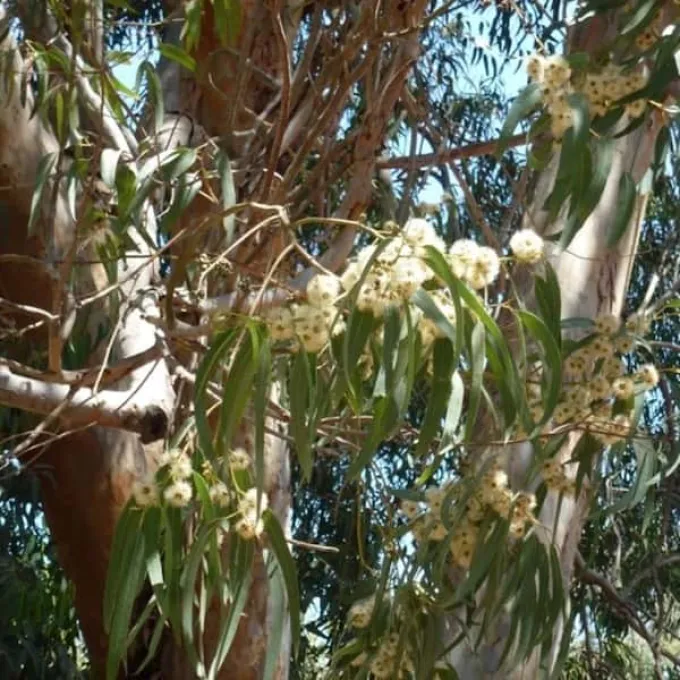
Botanically, the plant is characterized by its narrow, lanceolate leaves, which bear a striking resemblance to some acacia species. It reaches a moderate size, often forming a dense canopy that provides significant shade.
Water requirements are highest during the first growing seasons. Once established, the species shows moderate drought tolerance, though growth rates are maximized when moisture is available during the active vegetative phase.
Yield
The timber of Eucalyptus acaciiformis is highly valued for its strength and durability. It is utilized in carpentry, furniture manufacturing, and general structural building applications, making it a viable forestry crop.
Leaves are an important source of essential oils. These oils contain compounds such as cineole, which are extracted for use in pharmaceutical, antimicrobial, and cosmetic products on a commercial scale.
As a forestry species, it is frequently employed in reforestation projects and as a windbreak. Its rapid growth cycle allows for relatively quick biomass production compared to many temperate hardwood species.
The tree serves as a beneficial nectar source for apiculture, producing honey with distinct organoleptic properties. Flowering typically occurs in summer, filling the landscape with small, creamy-white inflorescences.
Yield management depends on consistent silvicultural practices, including proper thinning and maintenance, which ensure healthy tree development and consistent quality of wood and oil extracts.
Main diseases and pests
Common pests include the eucalyptus weevil (Gonipterus spp.), which can cause significant damage to the foliage. Severe infestations require integrated pest management to prevent growth suppression.
Leaf-eating beetles pose a threat to young plantations, as they can cause extensive defoliation. Regular monitoring and biological control methods are essential for sustainable plantation management.
Fungal diseases, including various leaf spot fungi, often occur in high-humidity regions. Improving airflow within the plantation through proper spacing is the primary preventative measure.
Root rot caused by Phytophthora or other soil-borne pathogens can be devastating in waterlogged soils. Maintaining effective drainage systems is critical for the long-term health of the trees.
Secondary infections often follow physical damage caused by hail or wind. Prompt removal of heavily damaged branches and maintenance of general tree vigor are vital strategies for survival in challenging environments.