
Backhousia angustifolia
Backhousia angustifolia
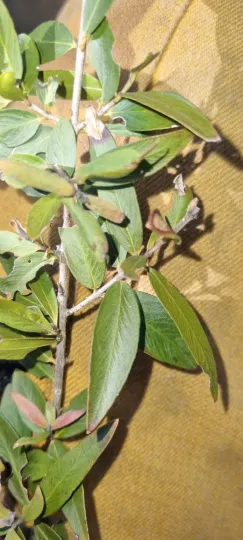
Description
Growing requirements
Backhousia angustifolia, commonly known as a narrow-leaved species of the Myrtaceae family, is an evergreen shrub native to the subtropical regions of Australia. It is highly valued for the aromatic properties of its foliage, which contains significant levels of citral.
The plant thrives in well-drained, nutrient-rich soils that retain moisture without becoming waterlogged. Ideal sites provide protection from direct, scorching winds and benefit from consistent soil fertility throughout the growing season.
Climatic requirements focus on a frost-free environment with moderate temperatures. While it can withstand short periods of heat, it prefers a temperate subtropical climate with regular rainfall or controlled irrigation to maximize leaf biomass.
Agronomic management involves pruning to maintain a bushy shape, which facilitates easier mechanical harvesting of the leaves. Mulching is recommended to stabilize soil temperature and suppress weeds that compete for nutrients.
Commercial utilization centers on the distillation of essential oils. These oils are widely used in fragrance formulations, aromatherapy, and as flavoring agents in the food industry due to their distinct citrus-like aroma and chemical stability.
Main diseases and pests
Root rot is the primary threat to the crop, typically triggered by poor drainage systems or excessive irrigation during cool weather conditions.
Leaf-eating insects can cause damage during the active growing cycle, necessitating careful monitoring to prevent outbreaks that could affect yield quality.
Fungal pathogens causing leaf spots may occur in environments with low light and high humidity, impacting the purity and aroma profile of the distilled oils.
Pest management strategies should prioritize mechanical control and the introduction of natural predators to minimize chemical residues on harvested plant parts.
Strict hygiene protocols, such as cleaning harvesting equipment and removing plant debris, are essential to maintain plantation health and long-term viability.