
Rough-barked Apple
Angophora subvelutina
Description
Growing requirements
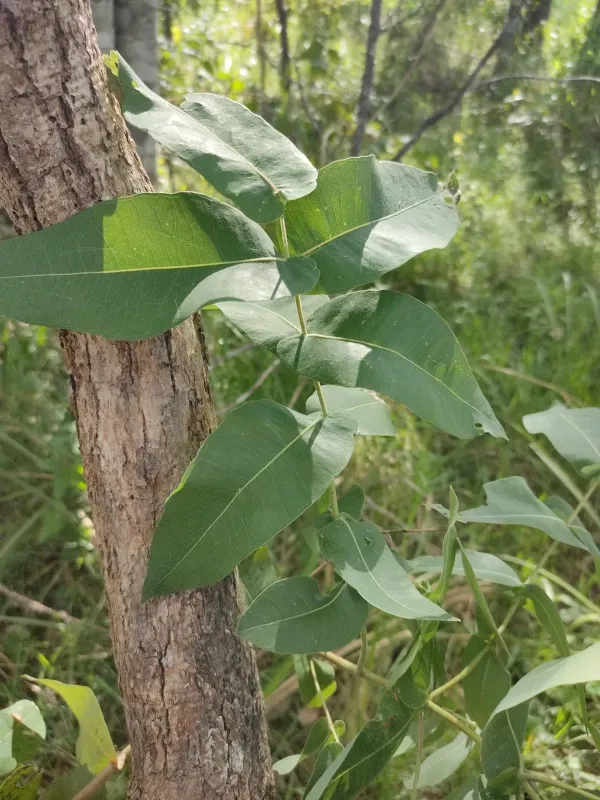
The Rough-barked Apple (Angophora subvelutina) is a prominent member of the Myrtaceae family, native to the coastal regions of eastern Australia. It is typically found in fertile valleys where deep, alluvial, and moist soils predominate.
This tree species is characterized by its broad, spreading canopy and distinctive rough, fibrous bark. The botanical name reflects the presence of soft, velvet-like hairs on the leaves, which serve as a unique identification feature compared to similar eucalyptus species.
Optimal growth for Angophora subvelutina requires full sun exposure and well-drained soil conditions. While the species is accustomed to high humidity in its natural habitat, it is relatively adaptable to varied soil compositions provided that waterlogging is prevented.
Agronomic management involves maintaining consistent soil moisture, particularly during the establishment phase of young saplings. The tree thrives in temperate climates and benefits from applications of balanced fertilizers during the spring growth cycle to support canopy density.
Planting site selection is crucial, as the tree requires adequate space for root expansion and crown development. When cultivated in appropriate conditions, it serves as an excellent specimen tree, providing significant shade and contributing to the local ecosystem.
Main diseases and pests
The main pathological threats include various fungal pathogens that affect the foliage, especially in environments with poor air circulation. Proper pruning is highly recommended to ensure the canopy remains open, reducing the humidity levels that favor fungal growth.
Insect pests such as leaf miners and scale insects may occasionally infest the foliage and branches. Integrated pest management strategies, including the use of systemic insecticides and promoting natural predators, are effective in maintaining tree health.