
Paper mulberry
Broussonetia papyrifera (L.) Vent.
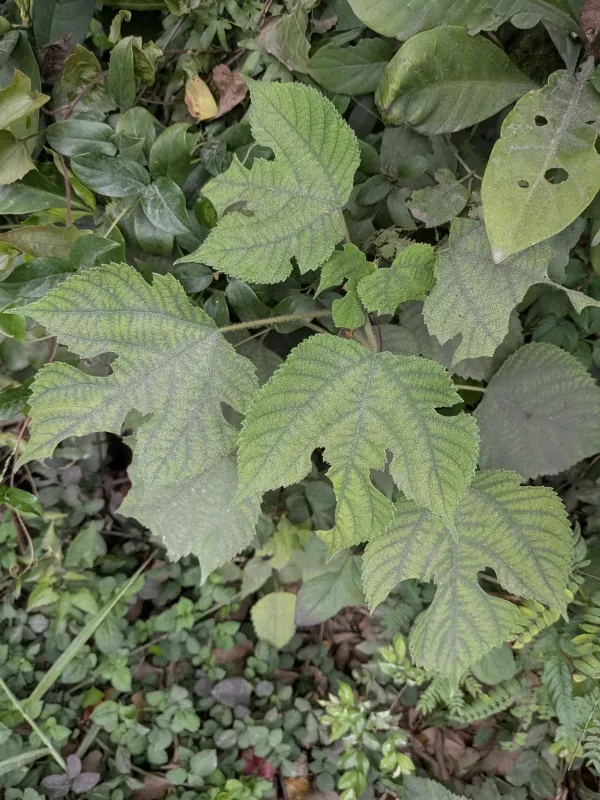
Description
Sowing dates
Propagation of paper mulberry is primarily achieved through vegetative methods such as cuttings, root suckers, or layering, as seed propagation requires complex stratification processes. Planting should take place in early spring after the risk of frost has passed to ensure successful establishment.
Selecting a location with full sun exposure and protection from strong winds is essential for the healthy growth of the canopy. Optimal spacing is generally between 3 to 4 meters, which allows sufficient airflow and root development for each individual tree.
When starting from seeds, use a well-draining, nutrient-rich soil mix in a controlled nursery environment. Keep the substrate consistently moist but not waterlogged to prevent damping-off, a common issue in seedling stages.
Young plants exhibit rapid growth rates, necessitating early attention to structural pruning. Establishing a single, strong leader early in the tree's life helps in producing long, straight stems that are ideal for fiber extraction.
In intensive farming, irrigation systems such as drip lines should be installed immediately after planting. Maintaining stable soil moisture in the first two years is vital for the survival and rapid development of the saplings.
Growing requirements
Paper mulberry, belonging to the Moraceae family, is a deciduous tree native to East Asia. It thrives in warm, temperate to subtropical climates and requires substantial sunlight to maintain its vigor and leaf production.
The plant is adaptable to various soil types, but it achieves the best performance in deep, fertile, and well-draining loams. Neutral to slightly alkaline pH levels are generally considered ideal for optimal nutrient uptake.
Water requirements are moderate, though the tree can survive short periods of drought once established. Consistent hydration during the peak growing season is crucial for producing high-quality bark and flexible fiber strands.
Temperature tolerance is moderate; mature trees can survive temperatures down to -15 degrees Celsius. However, extreme winters may cause bark splitting, so providing protection to the base of the trunk is recommended in colder regions.
The tree is known for its high adaptability to urban environments and can tolerate various environmental stressors. This resilience makes it a suitable candidate for both commercial fiber production and land reclamation projects.
Yield
The main commercial value of the paper mulberry lies in its bark, which is processed into high-quality fiber. With proper management and frequent coppicing, the annual biomass yield can be very high and sustainable.
The tree produces fruits that are edible and rich in vitamins, although they are not widely marketed due to their high perishability. They can, however, be used for local consumption or specialized food products.
To maximize fiber yield, farmers often employ a 2-4 year rotation cycle. Cutting the stems back to the stump stimulates the growth of new, straight shoots that contain the longest and most uniform fibers.
The wood itself is lightweight and soft, often utilized in small-scale carpentry and craft work. It is easy to carve and works well for decorative items, adding a secondary revenue stream for the grower.
Yield efficiency is significantly improved by applying balanced fertilizers and managing the density of the planting area, ensuring that each plant has enough resources to maximize vegetative growth.
Main diseases and pests
Paper mulberry is generally resistant to many pests, but it can be susceptible to powdery mildew in conditions of poor ventilation or high humidity. Regular thinning of the canopy helps mitigate this risk significantly.
Leaf-eating insects, including aphids and mites, may cause damage during hot and dry summers. Integrated pest management, involving the use of beneficial insects or organic sprays, is usually sufficient to maintain control.
Rodents can pose a serious threat to young trees by chewing on the bark during winter. Using protective mesh or trunk guards is a necessary preventative measure to avoid structural damage to the trees.
Soil-borne diseases and root rot are concerns if the planting site lacks proper drainage. Periodic monitoring of the root system and avoiding waterlogged areas are critical for the long-term health of the plantation.
In cases of viral infections causing leaf distortion or stunted growth, affected trees should be promptly removed and destroyed to prevent the spread of the virus to the rest of the crop.
Harvesting
Harvesting the bark for the paper industry is typically conducted during the dormant season, specifically late autumn or early spring. This timing ensures that the fiber content is at its maximum and the bark is easiest to peel.
The process involves cutting the stems close to the ground, which triggers vigorous regrowth from the rootstock. This coppicing technique allows for continuous, long-term harvesting without the need to replant the entire field.
After harvesting, the bark is separated from the wood, cleaned, and dried. This primary processing step is essential for preventing mold and preparing the fiber for the boiling and pulping stages.
Grading the harvested material by stem diameter and quality is a crucial step before storage. Proper grading ensures that the fiber can be sorted for different end-uses, such as fine calligraphy paper or industrial products.
Storage of the fiber must take place in a dry, well-ventilated warehouse to prevent degradation. Keeping moisture levels below 14% is key to ensuring the material remains in optimal condition for future manufacturing.