
Toona sureni
Toona sureni
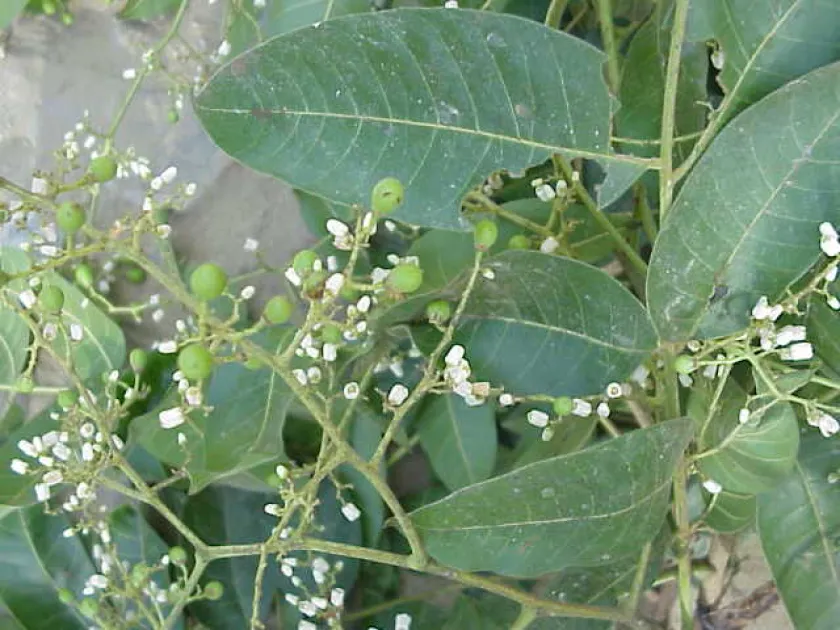
Description
Growing requirements
Toona sureni is a fast-growing deciduous tree species belonging to the Meliaceae family. Native to the tropical regions of Southeast Asia, it is highly valued for its timber, which is often considered a high-quality alternative to traditional mahogany.
The tree thrives in environments with deep, fertile, and well-drained soils. It requires consistent moisture throughout the growing season and performs exceptionally well in alluvial, loamy soil types common in tropical lowlands.
Climatic requirements focus on tropical temperatures ranging from 20 to 32 degrees Celsius with high annual rainfall. It is not cold-hardy, and any exposure to frost can cause irreversible damage to the cambium and foliage.
Botanically, the species is characterized by its pinnate leaves and straight bole, which makes it ideal for commercial forestry plantations. It is light-demanding, necessitating adequate spacing between trees to ensure optimal development.
Economically, Toona sureni is a staple in high-end woodworking and furniture manufacturing. Its wood is durable, easy to carve, and displays an attractive reddish-brown color that remains stable after seasoning.
Main diseases and pests
Young plantations of Toona sureni are particularly vulnerable to shoot borers and leaf-eating insects. These pests can cause significant growth retardation, so early intervention with integrated pest management is vital.
Fungal pathogens represent a major threat, particularly during the wet season. Diseases such as root rot can occur if the soil drainage is inadequate, leading to poor oxygenation and rapid decline of the tree health.
Weed management is crucial during the initial stages of establishment. Fast-growing invasive vines and weeds can easily outcompete saplings, so intensive weeding is necessary until the trees form a closed canopy.
Environmental stress, such as prolonged droughts, can increase the tree's susceptibility to secondary infections. Maintaining a balanced soil moisture level is key to keeping the trees resilient against typical tropical plant diseases.
Proper site selection and adherence to silvicultural practices, including periodic thinning, help in reducing the incidence of pests and diseases, ensuring a healthy and productive stand until the harvest age.