
Toona calantas
Toona calantas
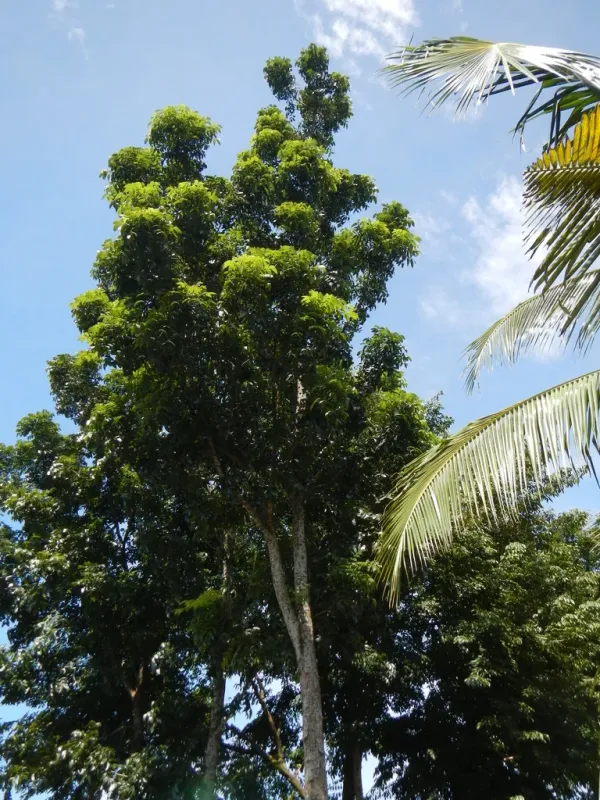
Description
Growing requirements
Toona calantas is a majestic timber species belonging to the Meliaceae family, widely recognized for its high-quality, durable wood. This fast-growing tree is highly regarded in sustainable forestry and agroforestry systems within tropical regions.
Originating from the Philippines, the species thrives in humid tropical forest environments. It demands deep, nutrient-rich soils that possess excellent drainage capabilities, as the tree is sensitive to waterlogged conditions that can compromise root health.
Climatic requirements involve consistent high temperatures and significant annual rainfall. As a light-demanding species, Toona calantas requires open spaces or carefully managed canopy cover during its juvenile stage to ensure maximum growth rates and structural development.
Agrotechnical management includes systematic weeding around young saplings to reduce competition for nutrients. Pruning is essential in the early years to promote straight, branch-free trunks, which significantly enhances the commercial value of the final timber harvest.
The wood produced by Toona calantas is frequently referred to as Philippine mahogany. Due to its attractive grain, resistance to rot, and ease of machining, it serves as a primary raw material for high-end furniture crafting, interior paneling, and fine cabinetry.
Main diseases and pests
The primary biological threats to this species include wood-boring insects, which can create galleries within the heartwood and degrade the quality of the logs. Integrated pest management strategies are crucial to maintain the structural integrity of the trees.
Fungal infections, particularly root rot, are common where drainage is inadequate. These pathogens take advantage of high soil moisture levels and can rapidly spread through plantations if not managed through careful soil moisture monitoring.
Mechanical damage caused by severe tropical storms poses a significant risk to the longevity of the trees. Ensuring proper spacing and plantation design can help mitigate the impacts of high winds on the tree stands.
Invasive pests and pathogens introduced by non-native species can also affect the health of Toona calantas stands. Maintaining biodiversity within the plantation site is a key preventative measure against widespread infestation.
Effective management requires rigorous health monitoring and the removal of affected trees to prevent the spread of disease. Professional forestry practices ensure that the crop remains healthy, productive, and economically viable throughout its rotation cycle.