
Aphanamixis polystachya
Aphanamixis polystachya
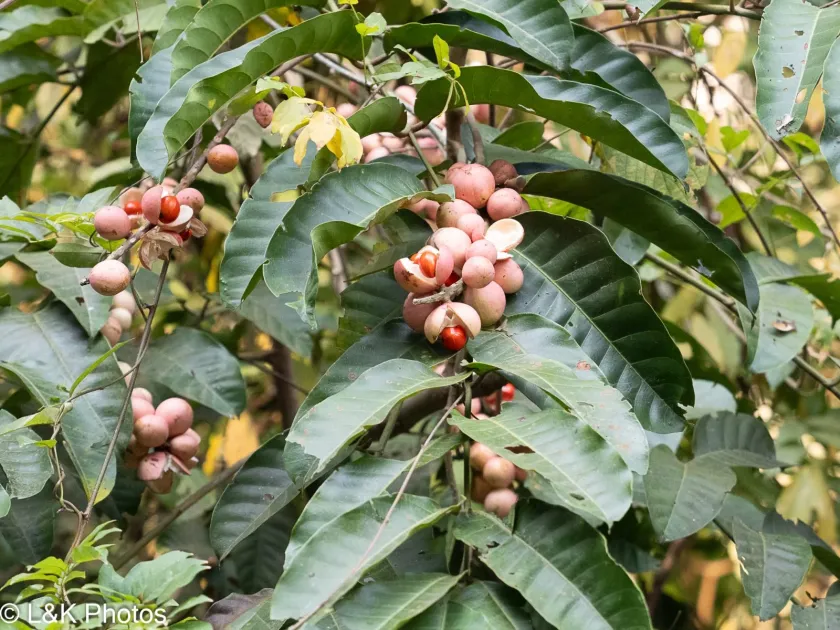
Description
Growing requirements
Aphanamixis polystachya, commonly known as the Pitraj tree, is a significant evergreen species belonging to the Meliaceae family. It is recognized for its tall stature and dense foliage, often reaching heights of up to 20 meters in its native habitat.
The plant is indigenous to tropical regions of Asia, specifically inhabiting the rainforests of India, Bangladesh, and Southeast Asian countries. It thrives in humid tropical climates characterized by high rainfall and warm temperatures throughout the year.
Soil requirements for this species are specific; it prefers deep, fertile, and well-drained loamy soils. Although it can grow in various soil types, waterlogging must be avoided to prevent root rot and ensure the tree's long-term health and stability.
Agricultural management of the Pitraj tree involves providing adequate shade during the seedling stage, as young plants are highly sensitive to intense direct sunlight. As the tree matures, it becomes more resilient, although maintaining canopy density is essential for forest floor moisture conservation.
The economic value of this culture is diverse, ranging from timber production to pharmacological applications. The seeds are a vital source of oil used in traditional medicine, while the wood is valued for its durability and resistance to biological decay in construction.
Main diseases and pests
The plant is susceptible to various fungal pathogens that thrive in high-humidity environments. Leaf spot diseases are common, and in severe cases, they can cause significant defoliation, requiring integrated pest management strategies to maintain plant vigor.
Insect pests such as shoot borers and defoliators pose a constant risk to younger trees. Early detection and targeted biological controls are recommended to minimize damage and prevent the spread of infections across the plantation site.