
Saucer magnolia
Magnolia x soulangeana Soul.-Bod. x Magnolia liliiflora Desr.
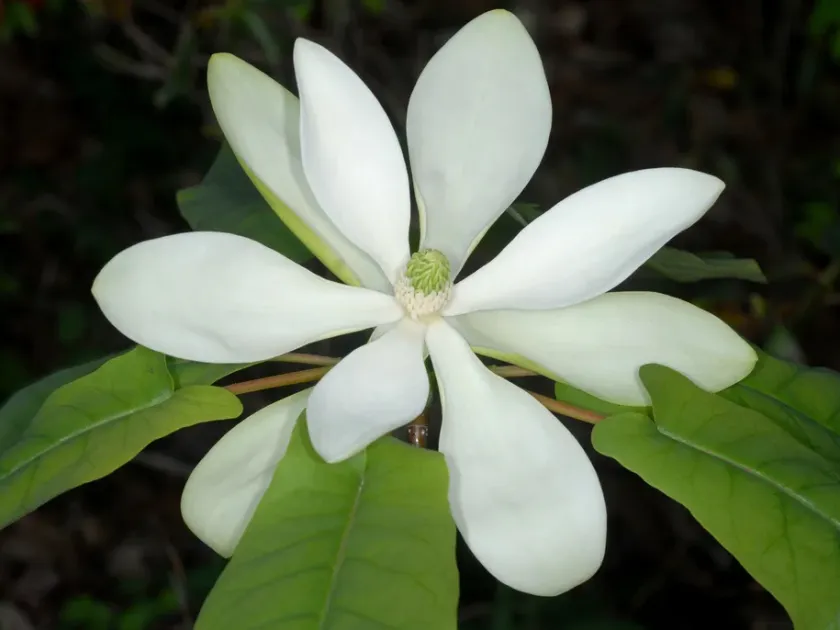
Description
Growing requirements
Saucer magnolia (Magnolia x soulangeana) is a prominent deciduous flowering shrub or small tree within the Magnoliaceae family. This hybrid, created by crossing M. denudata and M. liliiflora, is highly valued for its dramatic spring display of large, tulip-shaped flowers.
Botanically, it features a spreading habit and leathery, obovate leaves. The flowers appear on bare wood before the foliage emerges, which is the signature aesthetic feature of this species. Growth rate is moderate, and mature specimens can reach heights of up to 6 meters.
The cultural requirements demand a fertile, well-drained, and slightly acidic soil rich in organic matter. Saucer magnolias are sensitive to waterlogged conditions, which can lead to root suffocation and decay. Adding organic mulch is essential to maintain moisture and acidity.
In terms of climate, it thrives in temperate zones. While hardy, the plant prefers sites sheltered from strong, drying winds that can damage both the floral buds and the early spring leaves. Full sun to partial shade is recommended for optimal blooming performance.
The agricultural usage of this plant is primarily focused on ornamental horticulture. It is widely used in residential landscaping, botanical gardens, and public parks as a specimen plant or as part of a foundation planting scheme for early seasonal interest.
Main diseases and pests
Common pests that may affect the health of the saucer magnolia include scale insects, which often congregate on the branches, and aphids that target the tender new growth. Spider mites can also be problematic during hot, dry summer periods.
Fungal diseases are a significant threat, particularly powdery mildew and leaf spot. These conditions typically arise in environments with poor air circulation or high humidity, leading to unsightly leaf lesions and premature defoliation.
Integrated pest management strategies are vital, including periodic pruning to open the canopy and ensure light penetration. Fungicide applications should be timed correctly in early spring to prevent the germination of spores on the developing buds.