
Magnolia obovata
Magnolia obovata Thunb.
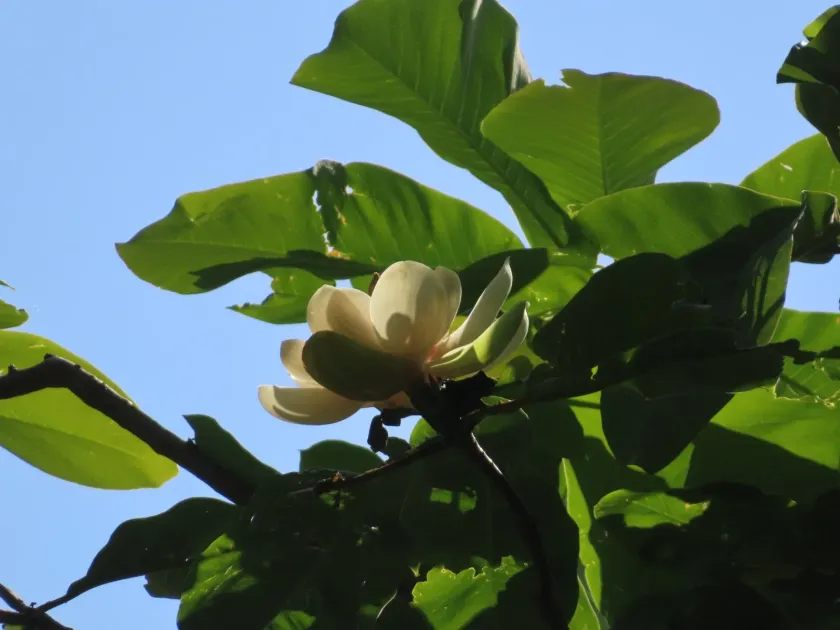
Description
Sowing dates
Propagation of Magnolia obovata is primarily achieved through seeds or vegetative cuttings. Seeds require a cold stratification period of up to 4–6 months to break dormancy and ensure consistent germination rates in nursery conditions.
For best results, seeds should be sown in the autumn into a well-drained, nutrient-rich substrate. This mimics natural conditions and allows the seed to undergo the necessary physiological changes during the winter months before spring germination.
Vegetative propagation via softwood cuttings is performed during mid-summer. Using rooting hormones is highly recommended to improve success rates, and the cuttings must be maintained in a high-humidity environment under controlled light until roots form.
Transplanting seedlings to a permanent location is a delicate process as the root system of Magnolia obovata is fleshy and sensitive to disturbance. It is crucial to move the plant with a large, intact root ball to minimize transplant shock.
Spacing during planting should be generous, allowing at least 6 to 8 meters between trees. This provides the necessary airflow and light exposure required for the tree to develop its characteristic wide, architectural canopy as it matures.
Growing requirements
Magnolia obovata, a member of the Magnoliaceae family, is a large deciduous tree native to the mountainous forests of Japan. It is prized for its large, obovate leaves and fragrant, creamy-white flowers that appear in early summer.
This species thrives in deep, humus-rich, and slightly acidic soils. Good drainage is non-negotiable; while the plant enjoys moisture, it will not tolerate waterlogged conditions, which lead to root rot and poor tree health.
The tree prefers a location with partial to full sunlight. However, in regions with very hot summers, protection from intense midday sun is beneficial to prevent leaf scorch and ensure the longevity of the plant's delicate foliage.
Watering requirements are significant, especially for young trees or during periods of drought. Maintaining consistent soil moisture via irrigation and the application of a thick layer of organic mulch will protect the roots and provide nutrients as it decomposes.
Magnolia obovata is relatively hardy but benefits from protection against cold, drying winds. Planting the tree near structural windbreaks or among other established trees helps create the stable microclimate it needs to flourish.
Yield
The primary use of Magnolia obovata is as an ornamental specimen in large gardens and public parks. Its architectural form, coupled with striking, fragrant flowers, makes it a highly desirable tree for high-end landscape design.
In traditional medicine, the bark of Magnolia obovata is a significant botanical product. It contains pharmacologically active lignans, including magnolol and honokiol, which are studied for their potential anti-inflammatory and antioxidant properties.
The wood of this magnolia is prized for its durability, lightness, and resistance to decay. In its native habitat, it is historically used for crafting high-quality musical instruments, lacquerware, and refined interior woodwork.
Flower production is a key seasonal feature that adds to the tree's value. The blossoms are not only aesthetic but also ecological assets, attracting various pollinators and supporting biodiversity within the garden environment.
Given its status as a slow-growing but long-lived tree, Magnolia obovata represents a legacy planting. With correct agronomic management, a tree can provide aesthetic, environmental, and material value for several decades.
Main diseases and pests
Common pests include sap-sucking insects such as aphids and scale insects. These pests can weaken the tree by draining nutrients from new shoots, which may stunt growth and make the foliage less vibrant over time.
Fungal issues, such as leaf spot or powdery mildew, can occur if humidity levels are high and air circulation around the canopy is poor. Prompt sanitation, including the removal of infected leaves, is essential to curb disease progression.
Phytophthora root rot remains a serious threat, particularly in poorly drained soils. Symptoms include sudden wilting and leaf yellowing; management requires drastic improvements to soil drainage and the use of targeted fungicide treatments.
Effective management strategies rely on regular monitoring of the foliage and stem health. Early detection of symptoms allows for localized treatment, preventing the spread of infection to other parts of the canopy or nearby plants.
- Periodic inspection of leaves and twigs.
- Removal and disposal of diseased plant debris.
- Application of specialized horticultural oils for scale insects.