
Magnolia insignis
Magnolia insignis Wall.
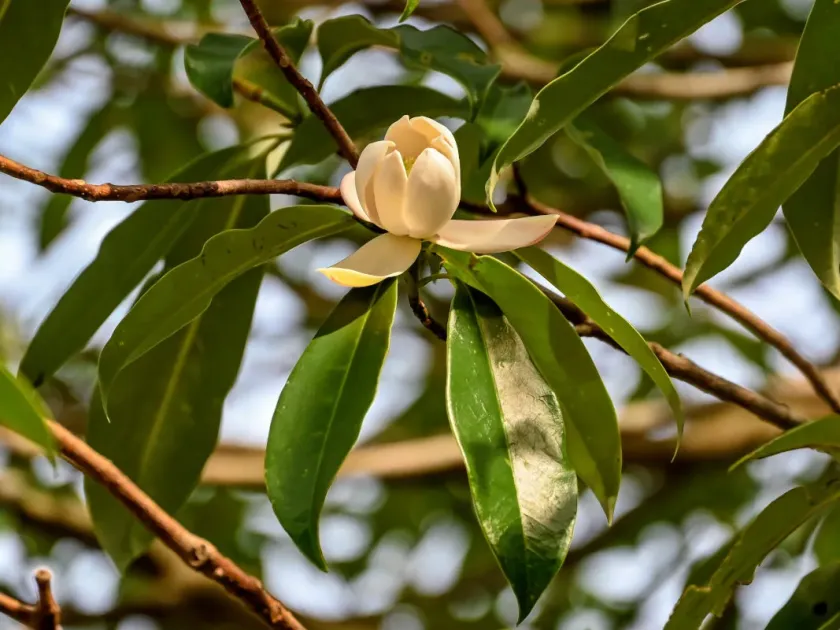
Description
Growing requirements
Magnolia insignis, a member of the Magnoliaceae family, is a magnificent evergreen tree known for its elegant foliage and distinct flower structure. Originating from the mountain forests of Southeast Asia, it is a prized specimen in horticulture.
This species thrives in humid subtropical conditions, preferring protected environments where it is sheltered from harsh, dry winds. It requires a stable climate to maintain its lush green leaves throughout the year.
For optimal growth, Magnolia insignis demands acidic, well-draining, and nutrient-rich soil. It is highly sensitive to soil alkalinity, which can cause severe iron deficiency symptoms that impede the tree's health.
The plant prefers a site with partial shade or filtered light, especially in its early development stages. Ensuring adequate air circulation around the canopy is essential to prevent micro-climates that favor fungal infections.
Its primary use is in landscape design as an ornamental plant for large gardens and arboretums. The aesthetic value of the tree, combined with its unique biological characteristics, makes it a valuable addition to botanical collections worldwide.
Main diseases and pests
Fungal diseases are the most common issue for this species. Leaf spots and mildew occur frequently when humidity remains high without sufficient airflow through the branches, requiring careful management of the planting site.
Root rot represents a critical threat when the tree is planted in heavy, waterlogged soil. Proper drainage is the most effective preventative measure to ensure long-term survival in garden settings.
Pests such as scale insects and spider mites are known to infest the plant during dry spells. These organisms target the sap, causing significant stress and leading to stunted growth if left unmanaged.
Regular monitoring of the foliage is essential to detect early signs of infestation. Integrated pest management, including the use of horticultural oils, can effectively control these pests without damaging the tree.
To ensure healthy growth, sanitation in the garden is vital. Removing dead wood and fallen leaves minimizes the risk of pathogens surviving the winter near the base of the trunk.