
Loebner magnolia
Magnolia x loebneri Kache
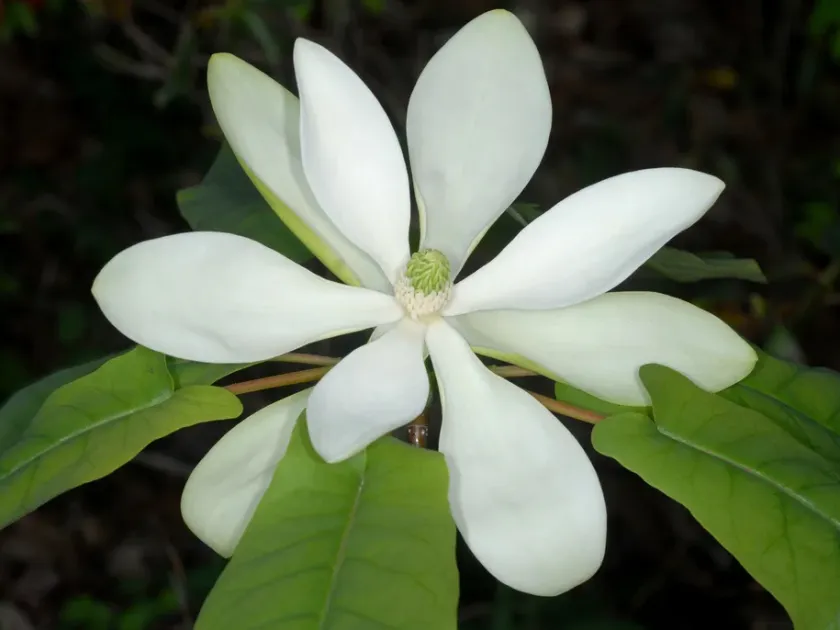
Description
Growing requirements
Magnolia x loebneri is a hybrid ornamental plant belonging to the Magnoliaceae family, created by crossing Magnolia kobus and Magnolia stellata. It is celebrated for its spectacular spring blossoms and structural elegance as a shrub or small tree.
The culture thrives in sunny or semi-shaded locations protected from harsh winds. While relatively hardy, it appreciates a sheltered microclimate to protect its early-spring flower buds from late frosts and damaging winds.
Soil conditions are critical: it requires well-drained, fertile, and slightly acidic soil. The plant struggles in heavy clay or highly alkaline soils, which often cause nutrient deficiencies and inhibit growth.
Regular maintenance includes consistent watering during the growing season and mulching to keep the roots cool and moist. Pruning should be minimal, performed only after flowering to shape the crown or remove dead wood.
In landscaping, this species is highly valued as a focal point in private gardens and public green spaces. Its resilience and size make it versatile for both small urban gardens and large park landscapes.
Main diseases and pests
Common diseases include fungal infections like powdery mildew, grey mold, and leaf spots. Proper ventilation and hygiene in the garden are essential to minimize the risk of these pathogens spreading.
Insect pests, specifically aphids, spider mites, and scale insects, can attack the foliage and stems. Regular monitoring and the application of horticultural oils or insecticides help manage these populations.
Iron-deficiency chlorosis is a significant issue if the soil pH is too high. This is managed by amending the soil with acidic peat or applying chelated iron supplements to restore leaf color.
Root rot caused by poor soil drainage remains the most dangerous environmental stressor. Ensuring the planting site is elevated or properly drained is a prerequisite for long-term health.
Mechanical damage to the bark by small mammals can occur during winter. Protecting the base of the trunk with wire mesh is a recommended practice to avoid wounds that allow fungi to enter the wood.