
Sweetbay magnolia
Magnolia virginiana L.
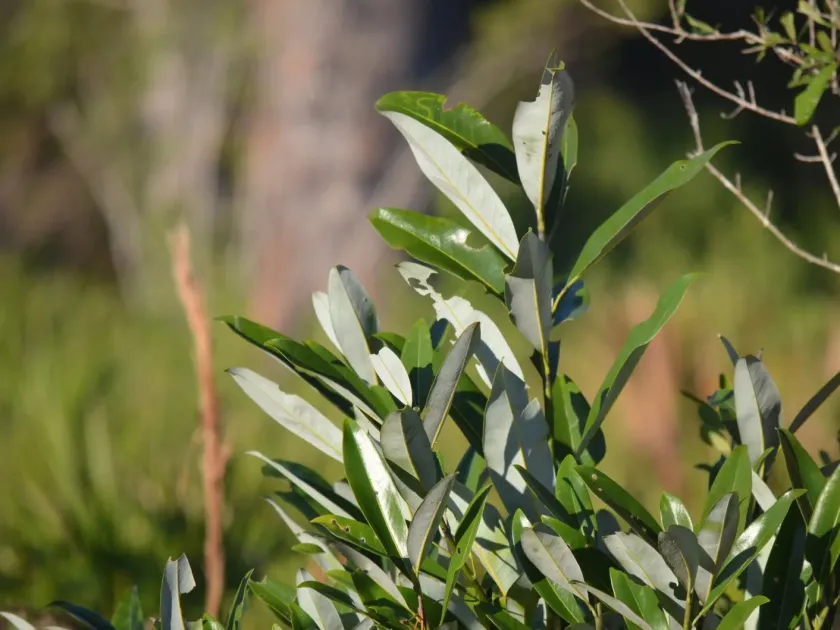
Description
Growing requirements
Sweetbay magnolia (Magnolia virginiana L.) is a remarkable member of the Magnoliaceae family, native to the Atlantic and Gulf coastal plains of the United States. This species is unique among its relatives for its high tolerance to wet, swampy soil conditions, making it an excellent choice for difficult landscape sites.
The plant thrives in full sun to partial shade. While it can handle some shade, consistent flowering requires adequate sunlight. It is best to plant it in sheltered locations to protect the delicate, fragrant blooms from high wind and harsh direct exposure during the summer.
Requirements for soil include high organic content and acidity. The species will struggle in alkaline or limestone-rich soils, often developing iron chlorosis. Maintaining a pH level between 5.0 and 6.5 is essential for the tree's health and vibrant foliage color.
Agrotechnical management involves consistent irrigation during dry spells. Although it is moisture-loving, the soil must provide proper drainage to prevent root rot. Applying organic mulch is standard practice to stabilize soil temperatures and improve the soil's structure over time.
This tree is widely used in residential landscaping and urban forestry. Its aesthetic value comes from its creamy white, lemon-scented flowers and silvery-backed leaves that provide a distinct visual interest throughout the growing season.
Main diseases and pests
The tree is susceptible to several fungal diseases, including leaf spots and powdery mildew, which are often exacerbated by poor air circulation and high humidity levels during the peak of summer.
Common insect pests include scale insects, aphids, and spider mites. These pests typically feed on the underside of leaves or on succulent new growth, potentially causing yellowing and stunted development if left unchecked.
Root system issues can arise from improper soil chemistry or soil compaction, which hinders nutrient uptake and leads to weakened trees that are more prone to secondary infections and opportunistic pests.
Management strategies emphasize preventive care, such as thinning out crowded branches to allow sunlight and airflow to reach the interior canopy. This significantly reduces the likelihood of fungal colonization on the dense foliage.
When chemical intervention becomes necessary to address severe pest outbreaks, horticultural oils or insecticidal soaps are preferred as they offer effective control with less residual impact on the local ecosystem compared to broad-spectrum pesticides.