
Kobus magnolia
Magnolia kobus DC.
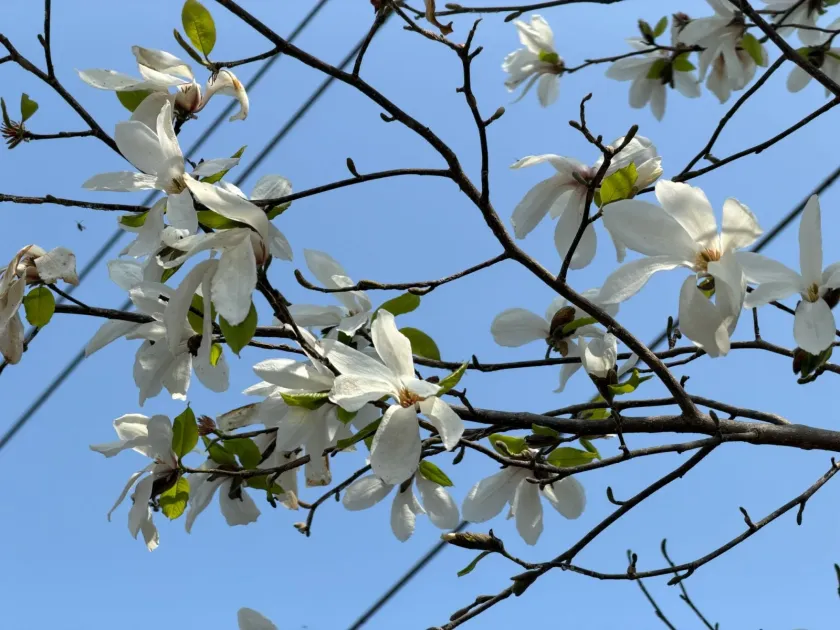
Description
Sowing dates
Propagation of Magnolia kobus by seed is primarily carried out in the autumn, immediately after collection, to ensure natural stratification in the soil. Seeds are cleaned of their red fleshy aril and sown into a prepared substrate at a depth of about 2–3 centimeters.
When sowing in spring, seeds require mandatory artificial stratification in a refrigerator at temperatures between +1 and +5 °C for 3–4 months in damp sand or peat. This is a critical condition for breaking the deep embryo dormancy inherent in this species.
Seedlings emerge relatively uniformly; however, they grow slowly in their first year and require protection from direct sunlight. Growth accelerates significantly only after the formation of true leaves and the development of a strong primary root system.
Transplanting seedlings to a permanent location must be done with extreme care, as Magnolia kobus possesses a fragile taproot system. Early spring, before the active sap flow begins, is considered the optimal time for transplanting.
To speed up the onset of flowering, nurseries use grafting methods onto established magnolia rootstocks. This approach yields flowering specimens in as little as 3–5 years, whereas seedlings grown from seeds may take 10–15 years to bloom for the first time.
Growing requirements
Magnolia kobus belongs to the Magnoliaceae family and is one of the most cold-hardy species of the genus. It adapts successfully to temperate climate conditions, tolerating temperatures as low as -30 °C, which makes it highly valued in landscape design.
The culture prefers deep, fertile, well-drained soils with an acidic to neutral reaction (pH 5.0–6.5). It is extremely sensitive to excess lime in the soil, which frequently leads to leaf chlorosis.
The plant is photophilous; therefore, full bloom and the formation of a symmetrical crown require an open, sunny location protected from prevailing northern winds and drafts.
A crucial requirement is maintaining adequate soil moisture throughout the growing season. Magnolia kobus does not tolerate prolonged waterlogging, so on heavy clay sites, a robust drainage layer is essential for success.
During the first few years after planting, it is recommended to mulch the root zone with peat, wood bark, or sawdust. This practice retains moisture, prevents root overheating in summer, and protects them from freezing during winter.
Main diseases and pests
Magnolia kobus possesses high natural phytosanitary resistance; however, in conditions of high humidity and overcrowded planting, it can be susceptible to powdery mildew. Treatment involves spraying with systemic fungicides.
Leaf chlorosis, caused by high carbonate content in the soil, manifests as yellowing of the leaf blade while the veins remain green. This is addressed by applying iron chelates and acidifying the soil with sulfur or pine needles.
Among pests, aphids are most frequently encountered on young plants, feeding on the sap of shoots and flower buds. In such instances, the use of broad-spectrum insecticides is justified.
Spider mites may appear during periods of prolonged drought and intense heat, leaving fine webbing on the underside of leaves. Prevention requires maintaining optimal air and soil moisture levels.
Mice and other rodents pose a risk to the bark of young trees during the winter months. To protect the base, tree guards or protective mesh should be applied before the onset of permanent cold weather.