
Hybrids of Magnolia x loebneri and Magnolia x soulangeana
hybrids between Magnolia x loebneri Kache and Magnolia x soulangeana Soul.-Bod.
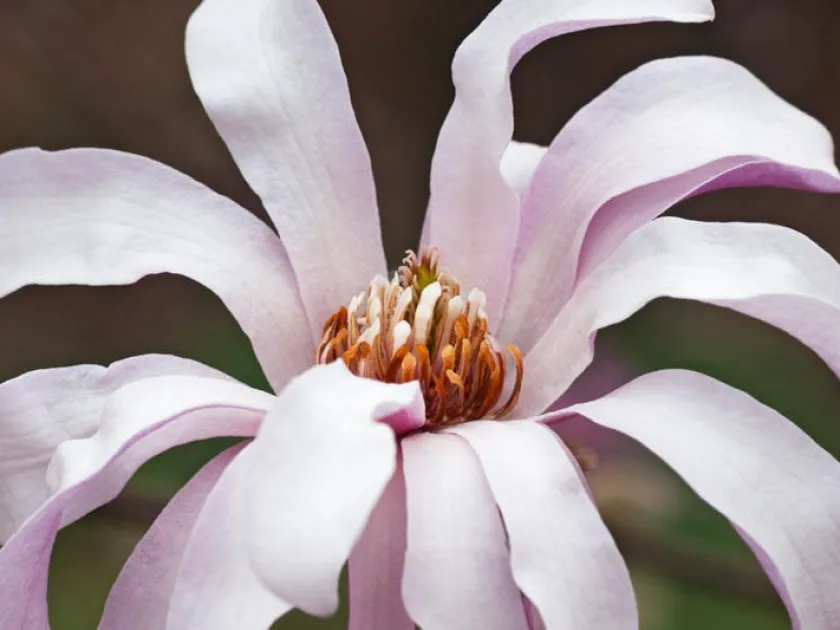
Description
Growing requirements
Hybrids of Magnolia x loebneri and Magnolia x soulangeana are deciduous plants belonging to the Magnoliaceae family. These varieties are highly valued in ornamental horticulture for their stunning, early-spring blossoms that create a spectacular visual impact in landscapes.
Climatic requirements focus on regions with mild to moderate winters. These trees thrive in full sun to partial shade, provided they are sheltered from cold, drying winds that can damage both the flower buds and the young, tender foliage in early spring.
The soil must be rich in organic matter, slightly acidic, and exceptionally well-draining. Magnolia roots are fleshy and susceptible to rot if kept in standing water, so planting on slight mounds or amending heavy soil is a standard agronomic practice.
Care routines include consistent hydration, especially during the first few years after planting. Mulching the root zone with bark or organic leaf litter is essential to conserve moisture and regulate soil temperature during summer heatwaves.
These hybrids are widely used as ornamental specimens. They are frequently utilized as focal points in residential gardens, public parks, and botanical collections due to their architectural form and extended flowering season compared to their parent species.
Main diseases and pests
Aphids and scale insects are the primary pests that infest the leaves and stems. Regular monitoring of the underside of leaves and branch junctions is necessary to ensure early intervention with horticultural oils or soaps.
Iron chlorosis is a frequent nutritional disorder. It is manifested by yellowing leaves with green veins, indicating an inability to absorb iron from high-pH soils. Applying chelated iron supplements is the standard remedy.
Powdery mildew and various fungal leaf spots occur in humid environments with poor air circulation. Proper spacing during planting and selective thinning of branches help maintain a healthy microclimate within the canopy.
Verticillium wilt is a serious soil-borne fungal disease that affects the vascular system. It is best managed by avoiding overwatering and selecting disease-free sites, as it is difficult to treat once the symptoms manifest.
Winter injury can occur when temperatures fluctuate rapidly. Protecting the root system with thick mulch and, if necessary, wrapping the trunks of young trees can minimize the impact of late-season frost damage.