
Magnolia x soulangeana
Magnolia x soulangeana Soul.-Bod.
Description
Growing requirements
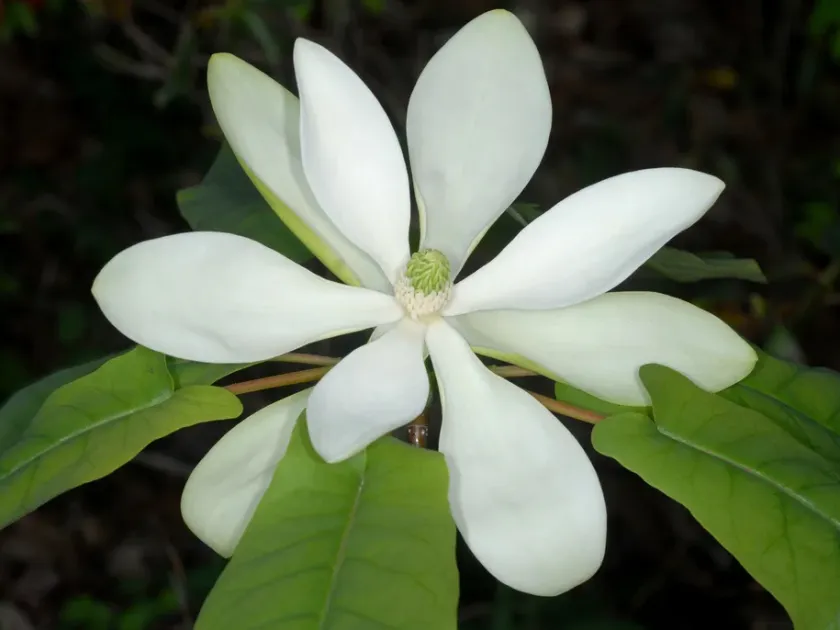
Magnolia x soulangeana, commonly known as the saucer magnolia, is a magnificent deciduous hybrid belonging to the Magnoliaceae family. This ornamental tree is renowned for its large, fragrant, tulip-shaped flowers that appear in early spring before the foliage emerges.
This species thrives in locations with full sun to partial shade. Protection from strong, cold winds is essential, as the delicate flower buds can be easily damaged by late spring frosts, which significantly reduces the visual impact of the bloom.
For optimal growth, the saucer magnolia requires rich, well-draining, and slightly acidic soil. It does not tolerate waterlogged conditions or alkaline soils, which often lead to nutrient deficiencies and poor overall health of the specimen.
Cultivation practices include providing consistent moisture, especially during the first few years after planting. Mulching the root zone with organic matter, such as bark or peat, is highly recommended to regulate soil temperature and retain necessary moisture levels.
In landscaping, this cultivar is used as a standout ornamental centerpiece. It is frequently planted as a specimen tree in lawns or incorporated into mixed shrub borders where its dramatic early-season flowers can serve as a primary aesthetic focal point.
Main diseases and pests
Common health issues include iron chlorosis, which manifests as yellowing of the leaves in alkaline soils. Fungal diseases such as powdery mildew or leaf spots may occur if the planting site lacks proper air circulation or is excessively humid.
The tree can be susceptible to pests such as scale insects and spider mites. These pests typically congregate on the undersides of leaves or along stems, requiring integrated pest management strategies to prevent stunted growth and loss of foliage vitality.